
A Short Stroll to Paddington’s Art Trail: Your Bardon Neighbour’s Open-Air Gallery

Bardon residents don’t need to venture far to experience some of Brisbane’s most creative public art. Just down the hill in neighbouring Paddington, a vibrant collection of sculptures, murals and mosaics transforms the familiar shopping strip into an unexpected outdoor gallery. It’s the kind of cultural offering that makes living on the leafy fringes of the inner west even more appealing – world-class art within walking distance, or a quick bus ride away.


Read: Bardon’s Queen Bee: A Legacy of Science and Mentorship


The Bright Siders’ Historical Tribute
Art
Photo credit: Facebook/Bizzell’s Garage

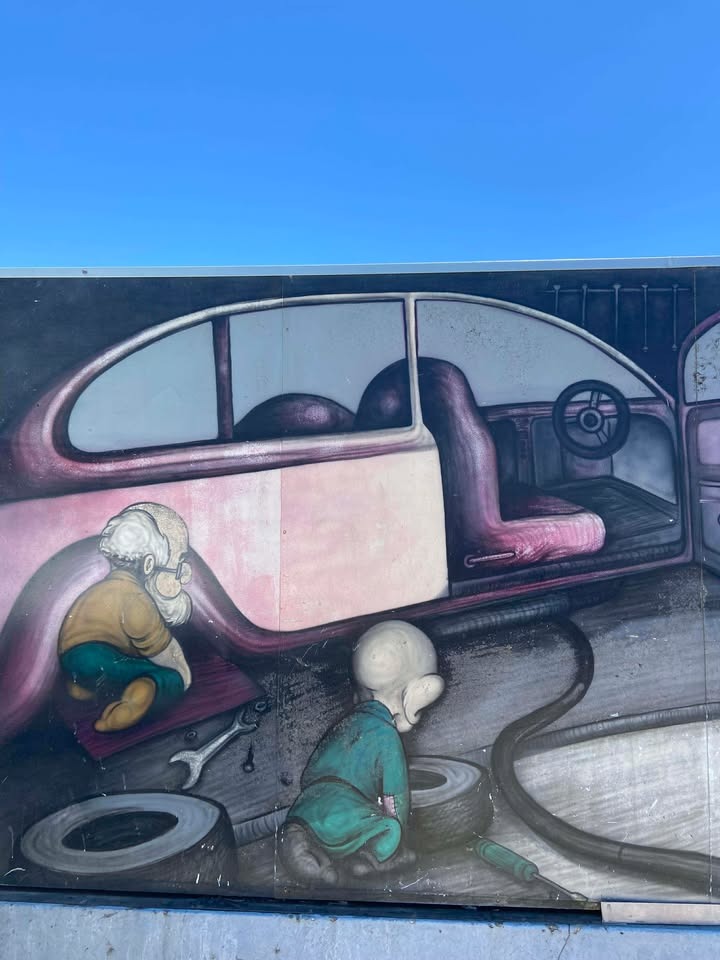
At Bizzell’s Garage, artist collective The Brightsiders have created a mural that honours Paddington’s transport heritage. The artwork depicts the bustling tram scene that defined the suburb during the 1900s, when trams were the lifeblood of the community. The mural serves as a reminder of Paddington’s transport history and the trams that once connected Bardon residents to the city below – the very line that helped shape both suburbs into the residential communities they are today.

Scott Harrower’s Highland Rest
Art
Photo credit: scottharrowerdesign.com

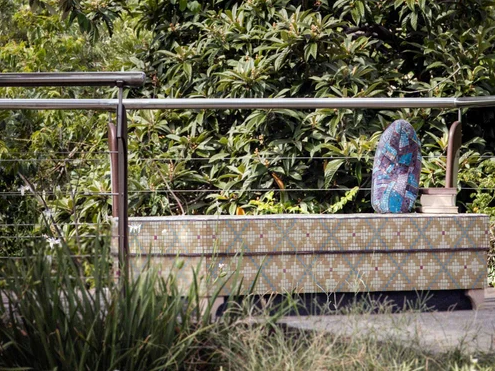
Further along the terrace, you’ll discover Scott Harrower’s “Highland Rest”, a stunning mosaic-tiled bench that offers both respite and visual delight. Harrower’s mosaic work creates a permanent installation that functions as both art and amenity. The intricate patterns reward close inspection, making it an ideal spot to pause during your shopping expedition or weekend wander.

The Kooka! Trail: Paddington’s Signature Sculpture Walk

Art
Photo credit: Facebook/Debra Hood Art

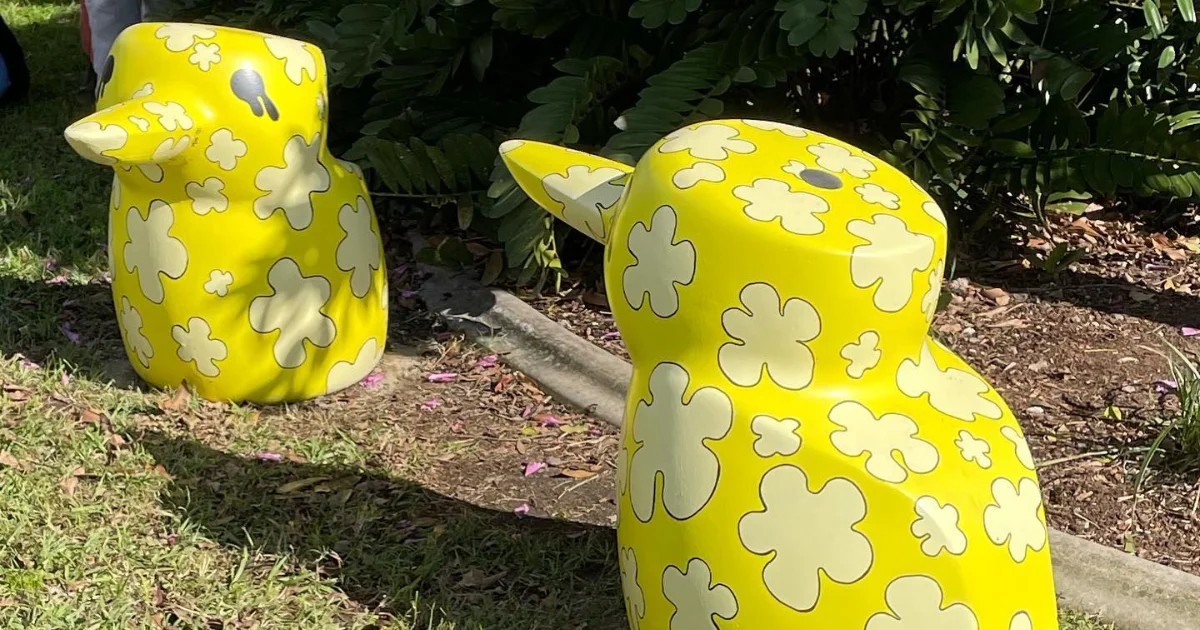
The highlight of Paddington’s public art offering is undoubtedly the Kooka! Trail, featuring 16 vibrant kookaburra sculptures scattered along Latrobe Terrace and Given Terrace. Launched in 2022 through Brisbane ‘s Paddington Terraces Precinct Grant Project, these sculptural seats are far more interesting than your average street furniture.

Each sculpture was made from waste materials before being reimagined by local artists into functional seating that celebrates the laughing kookaburra. Brisbane design collective Derlot created the base forms, while individual artists added their distinctive interpretations.

Debra Hood decorated her kookaburra with delicate dotted patterns inspired by Brisbane’s springtime blooms. Zoe Porter’s “Latrobe Kookaburra” features the vivid pinks, yellows and greens of galahs, cockatoos and lorikeets, weaving native bird species into traditional kookaburra markings. Torres Strait Islander artist Tori-Jay Mordey created “Care and At Night”, a thoughtful reflection on the struggles native wildlife face in urban settings.

One particularly moving sculpture represents five cultural groups – Irish, Hungarian, Croatian, Polish and Italian – commemorating the Catholic immigrant families who made Paddington home between the 1940s and 1970s. Other contributing artists include Rick Hayward, Stephen Mok, Hailey Atkins and Spectator Jonze, each bringing their unique artistic voice to the project.

Making the Journey

For Bardon residents, accessing Paddington’s art trail couldn’t be easier. You can walk down Latrobe Terrace from the Bardon end towards Given Terrace and Suncorp Stadium, turning the journey into a leisurely afternoon outing. Multiple bus routes service the area if you prefer to save your energy for the return uphill journey.


Read: More Than Meets the Eye: Uncovering the Hidden Stories of Rosalie


Between artworks, you’ll pass the cafés and boutique shops that make Paddington such a popular destination for Bardon locals. The entire art trail experience is free, making it an ideal outing for families, a creative date idea, or simply a fresh way to experience a familiar neighbourhood.

Living in Bardon means having access to nature reserves, quiet streets and community spirit. But it also means being minutes away from cultural experiences like Paddington’s public art trail – proof that the best galleries don’t always have walls, and the best exhibitions are sometimes just a short walk from home.

Published 31-January-2026
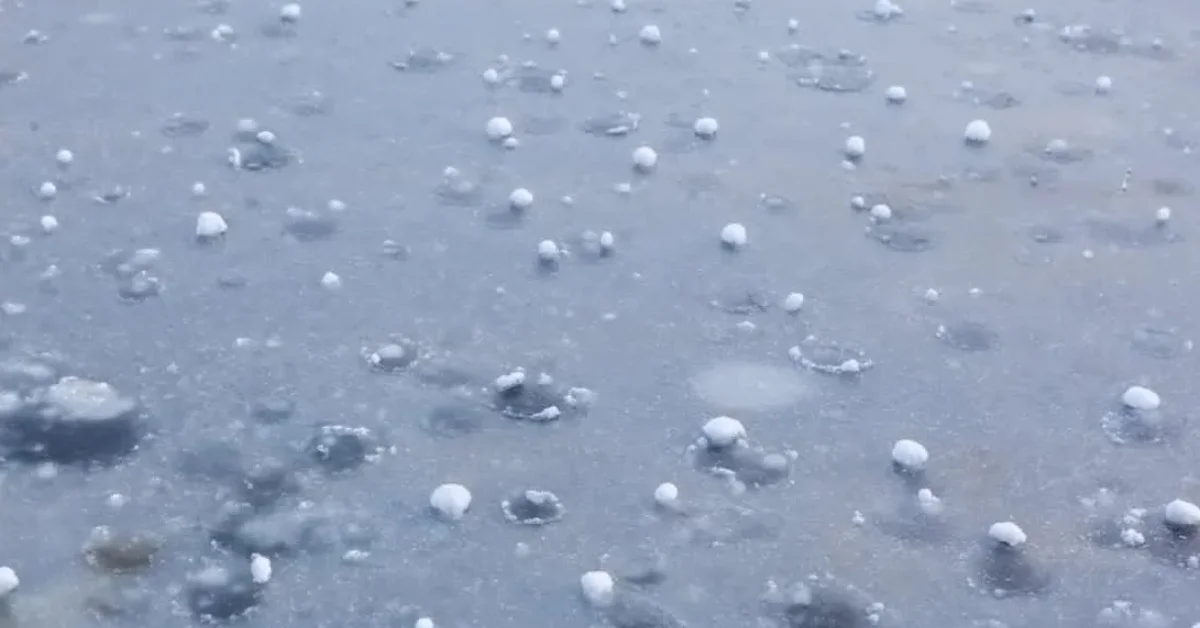
Hardship Assistance Opens for Bardon After November Hailstorms

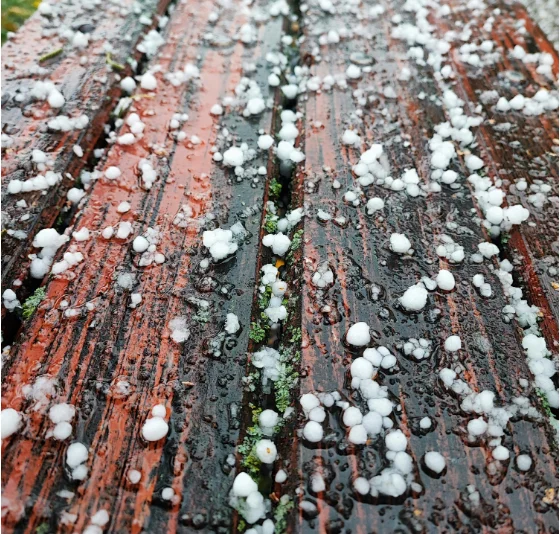
Income-tested hardship support has been made available to uninsured residents in Bardon after the severe hailstorms that impacted Brisbane suburbs in late November.


Storm Impact and Activation of Assistance

Severe storms on 24 and 25 November 2025 caused significant damage across south-east Queensland. In response, targeted Personal Hardship Assistance has been activated for defined parts of the Brisbane City area, including Bardon.

The measures fall under disaster recovery arrangements supporting households affected by property damage and storm-related power outages.

Brisbane storms
Photo Credit: Pexels

Financial Support Options for Bardon

Uninsured, income-tested residents in Bardon may access three types of assistance aimed at restoring essential living conditions.

Structural Assistance Grants

Up to $80,000 is available for eligible homeowners needing to repair or rebuild storm-damaged dwellings to return them to a safe and habitable standard.

Essential Household Contents Grants

Support includes up to $1,765 for individuals or up to $5,300 for couples or families to replace essential items lost or damaged.

Bardon hailstorm assistance
Photo Credit: Pexels

Essential Services Safety and Reconnection Scheme

Up to $5,000 per household is available to reconnect essential services such as electricity, water, gas or sewerage where damage occurred.

These measures apply to 15 Brisbane suburbs: Ashgrove, Bardon, Boondall, Ferny Grove, Gumdale, Keperra, Lota, Manly, Manly West, Mount Crosby, Ransome, The Gap, Wakerley, Wynnum and Wynnum West.

Eligibility and Application Requirements

Residents must be uninsured, meet income criteria and have experienced property damage from the November hailstorms or subsequent outages. Applications require identification, bank details and a valid email address. Alternative identification options are available through the Community Recovery Hotline.


Personal Hardship Assistance is currently active across eight local government areas, with 10 councils receiving disaster recovery support. Further information is available through the disaster recovery website or via the 24/7 hotline (1800 173 349).

Published 11-Dec-2025

The Streets of Bardon: How Time Reshaped Local Thoroughfares

Brisbane has witnessed several street name changes over the decades, reflecting its growth and development. In Bardon, three notable instances highlight how urban expansion, local institutions, and city planning have shaped the neighbourhood’s streetscape from the late 19th century through the mid-20th century.


Read: The House He Never Called Home: Joshua Jeays and the Bardon House


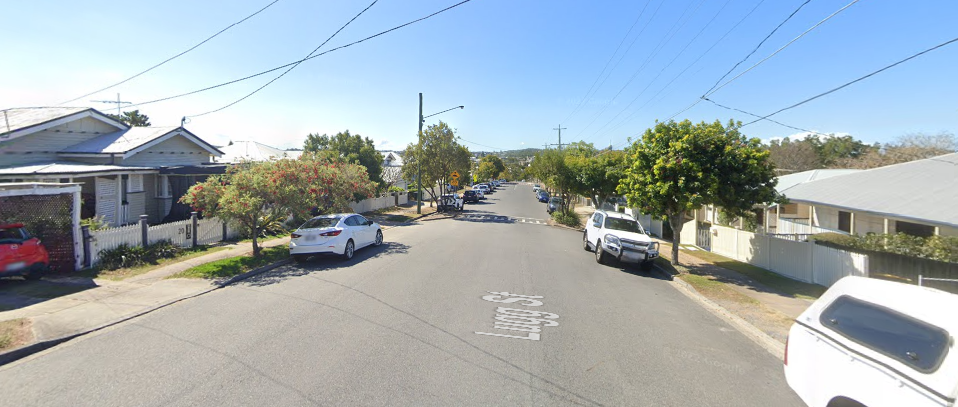
Lugg Street

Photo credit: Google Street View

Originally known as School Street, this thoroughfare was renamed Lugg Street between 1917 and 1931. 

Lugg Street, Bardon looking towards the Gap ca 1930s (Photo credit:  James Vincent Bloomer: State Library of Queensland. Image No. 128851)

The street’s history dates back to around 1886 when it was created to provide access to the Ithaca school, now known as Ithaca Creek State School. This change reflects the evolving landscape of the Upper Paddington area in the early 20th century.

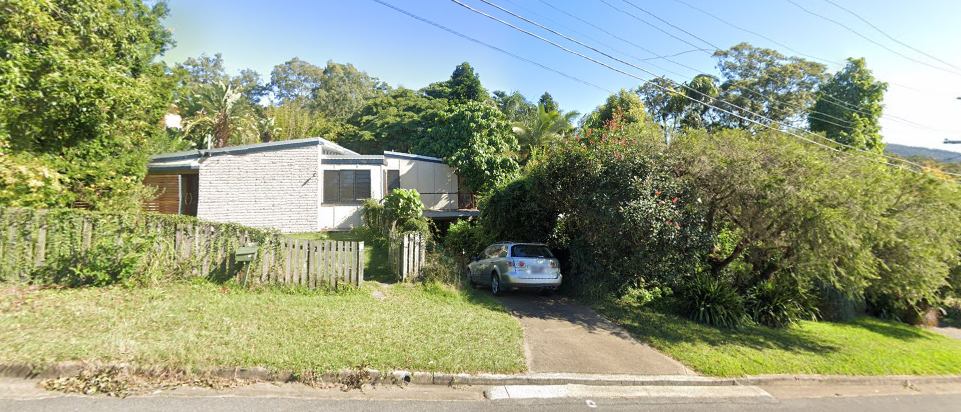
Couldrey Street

Bardon
Photo credit: Google Street View

Formerly Third (3rd) Avenue, this street underwent a name change in 1938. The new name, Couldrey Street, was confirmed by comparing street directories from 1938 and 1948. This renaming likely occurred as part of broader urban planning initiatives in the area during the late 1930s.

Bardon
House at Couldrey Street, Bardon (Photo credit: John Oxley Library, State Library of Queensland; 2018 6169 Frank and Eunice Corley House Photographs)

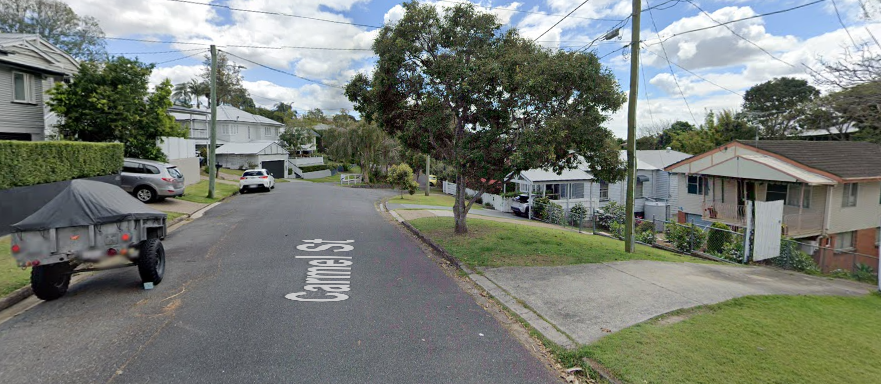
Carmel Street

Bardon
Photo credit: Google Street View

Perhaps the most interesting of the three, this street was originally named Victoria Street. It first appeared on the Jubilee Estate map of 1897 and was still present on a 1920 map. 

Bardon
Former Carmel Presbyterian Church in Bardon (Photo credit: churchesaustralia.org)

However, by 1931, it had been renamed Carmel Street. The new name may have been influenced by the establishment of the Carmel Presbyterian Church in nearby Kennedy Terrace in 1904, showcasing how local institutions can impact street nomenclature.


Read: The Enchanting Fairy House of Bardon Continues to Captivate


These street name changes offer a glimpse into Brisbane’s urban development history, reflecting the city’s growth and the influence of local landmarks on its evolving streetscape.

From the emphasis on education seen in School Street’s creation to the influence of religious institutions evident in Carmel Street’s naming, each change tells a story of community development.

Moreover, these transformations highlight the importance of local history in understanding urban landscapes, reminding us that even seemingly mundane aspects of city life, like street names, can hold rich narratives about a neighborhood’s past and its journey towards the present.

Updated 3-November-2025

Bardon’s Queen Bee: A Legacy of Science and Mentorship

Did you know that Bardon has its very own Queen Bee: entomologist Elizabeth Exley, PhD? Here are five things you may not know about this remarkable woman, who passed away in 2007.


1. One of the Largest Bee Collections in Australia

Dr Exley’s work as a researcher resulted in one of the largest collections of native bee specimens in Australia. Over decades of fieldwork, she meticulously gathered thousands of bees, often from Australia’s northern regions. These specimens are now housed at the University of Queensland’s School of Biological Sciences and form a vital resource for the study of Australia’s diverse native bee species. 

Her collection includes rare species and offers valuable insights into the ecology of native bees. It continues to serve as an essential reference for both students and seasoned entomologists alike, preserving her legacy in tangible form.

2. She Discovered and Named Over 200 Species

A major part of Dr Exley’s legacy lies in her contribution to the taxonomy of Australian bees. She described and named over 200 species during her lifetime, shining a light on the diversity of native bees in Australia. Among her most notable discoveries was the Homalictus exleyea, a species named in her honour, and the Quasihesma clypearis, a bee so small it measures just 1.8 mm in length, making it one of the world’s smallest bees. 

The smallest bee discovered by Bardon's Queen Bee, Elizabeth Exley.
Photo Credit: Aussie Bee

The Queen Bee of Bardon worked on the Colletidae family—many of which are closely associated with Australia’s myrtaceous plants like eucalyptus—was vital in understanding the relationship between native flora and fauna.

3. A Mentor to Australia’s Leading Bee Experts

Dr Exley’s influence reached far beyond her own research. As a professor at the University of Queensland, she played a crucial role in mentoring the next generation of entomologists. Scientists like Tim Heard, Ken Walker, and Helen Wallace credit Exley’s guidance and expertise for shaping their careers. 

Many of these researchers have gone on to make significant contributions to the fields of native bee conservation, taxonomy, and pollination studies. Her dedication to education and mentorship ensured that her passion for native bees was passed on to others, creating a lasting ripple effect in the scientific community.

The Homalictus exleyea, named after the Queen Bee of Bardon
Photo Credit: Garden Room

4. Her Journey to Bees Started with Fruit Flies

Her scientific journey began with fruit fly larvae, the subject of her Honours degree at the University of Queensland. Her early research showcased her meticulous attention to detail and passion for entomology. She then turned her focus to ants, conducting systematic studies that demonstrated her skill as a taxonomist. 

However, in 1958, her career took a decisive turn when she met Professor Charles Michener, a renowned bee expert from the University of Kansas. Mr Michener’s work inspired her to shift her focus to native bees, an area that had been largely neglected in Australia. This change marked the beginning of her lifelong dedication to understanding and documenting Australia’s native bee fauna.

5. Her Research Benefited Australian Agriculture

In addition to her contributions to taxonomy, Dr Exley worked extensively on the role of bees in agricultural pollination. Her research in the 1980s focused on crops like lychee, macadamia, custard apple, and pigeon pea, demonstrating the critical role native bees play in pollination. Her findings not only highlighted the ecological importance of native pollinators but also provided practical insights for farmers, helping improve yields and sustainable farming practices.

By bridging the gap between entomology and agriculture, Dr Exley’s work underscored the value of native bees in supporting both natural ecosystems and commercial industries.

A Local Icon with a Global Legacy

Born in Bardon on 29 November 1927, Elizabeth Exley’s story is one of a local girl whose contributions reverberated globally. Her legacy includes her groundbreaking research, her mentorship of future scientists, and her commitment to preserving Australia’s natural history. 


Her work remains a source of pride for the Bardon community, where her roots in natural history were first nurtured by her family. From the streets of Bardon to laboratories and field stations across Australia, Dr Exley’s life and career demonstrate the profound impact of dedication and curiosity.

Updated 18-October-2025

Architect Shaun Lockyer’s Bardon Residence to be Sold After 22 Years

A modest post-war house in Bardon that has been reimagined over two decades into one of Brisbane’s most recognised private residences is now set to change hands in the community where it has long been a local conversation piece.


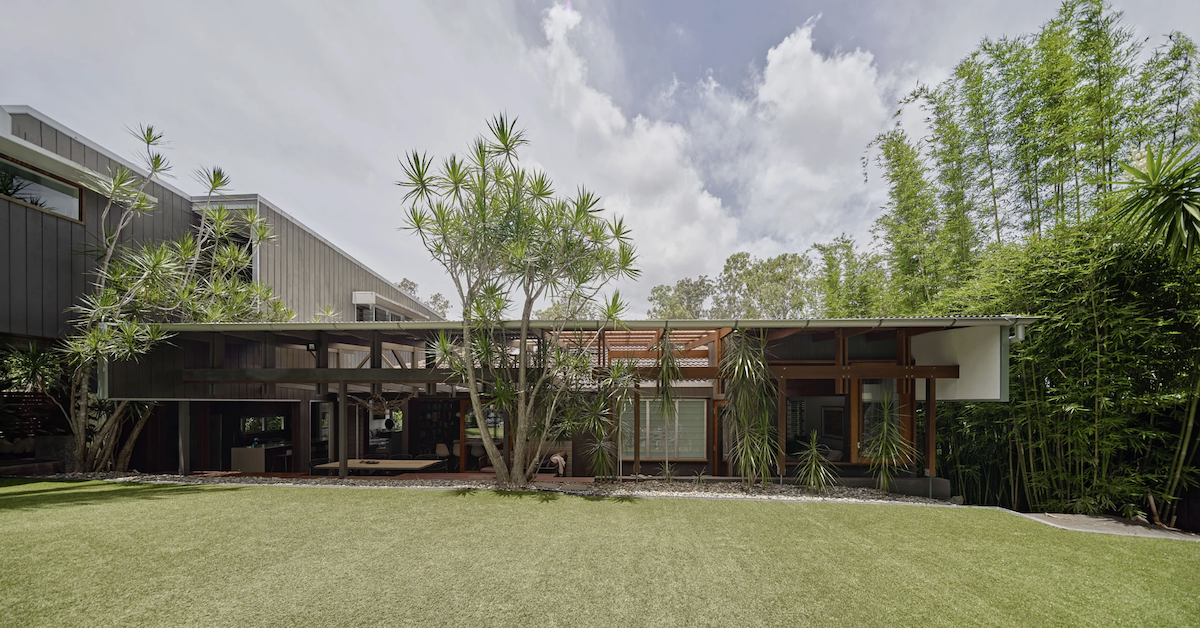
The property, known as The Lighthouse, was purchased in 2003 by architect Shaun Lockyer and his wife Julie. What began as a small home on Rosewood Street grew through 11 stages of careful renovation, expanding almost seven-fold. The Lockyers raised their two children there, shaping the house around family life while steadily refining its design.

From post-war home to architectural landmark

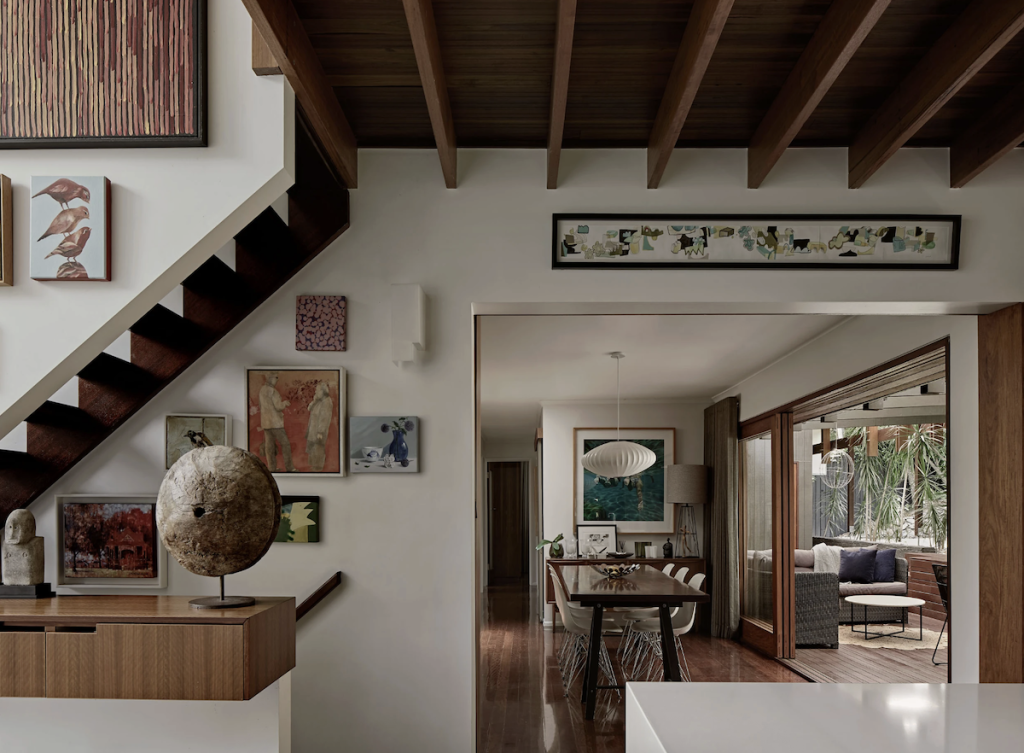
The couple bought the house from Brisbane doctor James Scott, who survived 43 days lost in the Himalayas in 1991. From its humble beginnings, the building evolved into a residence that reflects Lockyer’s design philosophy: abundant natural light, integration with outdoor space, and a focus on everyday comfort.

Across four bedrooms and three bathrooms, the property has been shaped to balance function with atmosphere. The living and dining areas flow onto a deck, and landscaping has been as integral to the project as the architecture itself. For Lockyer, who has designed some of Australia’s most high-profile homes, the Bardon project became both a family base and a long-running experiment in design.

12 Rosewood Street, Bardon
Photo Credit: Ray White Bulimba

A family story intertwined with architecture

Lockyer has described the decision to move as an emotional one. For him and his wife, leaving the home means parting with more than a design achievement; it means stepping away from a place filled with family memories. The project was never a single commission but a 22-year journey shaped by the rhythms of raising children and refining space as the household’s needs changed.

Auction set for October

The home will be offered through Ray White Bulimba, with principal Matt Lancashire leading the campaign. The auction is scheduled for 18 October. Lancashire has said the property is significant not only because of its architectural pedigree but also because it represents the personal residence of one of Brisbane’s leading architects.

As the Bardon chapter closes, the Lockyers are preparing for a move to Teneriffe. Their next home will again reflect Lockyer’s preference for natural materials such as timber, stone and concrete.


For the Bardon community, the sale marks the end of a long association between the architect and a house that has become part of the suburb’s identity.

Published 16-Sept-2025

The House He Never Called Home: Joshua Jeays and the Bardon House

In the heart of Bardon stands the heritage-listed Bardon House. Built in 1864, this structure tells the story of its creator, Joshua Jeays, a man whose influence shaped early Brisbane.


Read: Bardon House, The Villa That Inspired The Name Of A Suburb


Joshua Jeays, born in Leicestershire in 1812, arrived in Moreton Bay from England with his wife Sarah and children in 1853. A skilled carpenter and builder by trade, Jeays quickly established himself as a prominent architect in the burgeoning colony. 

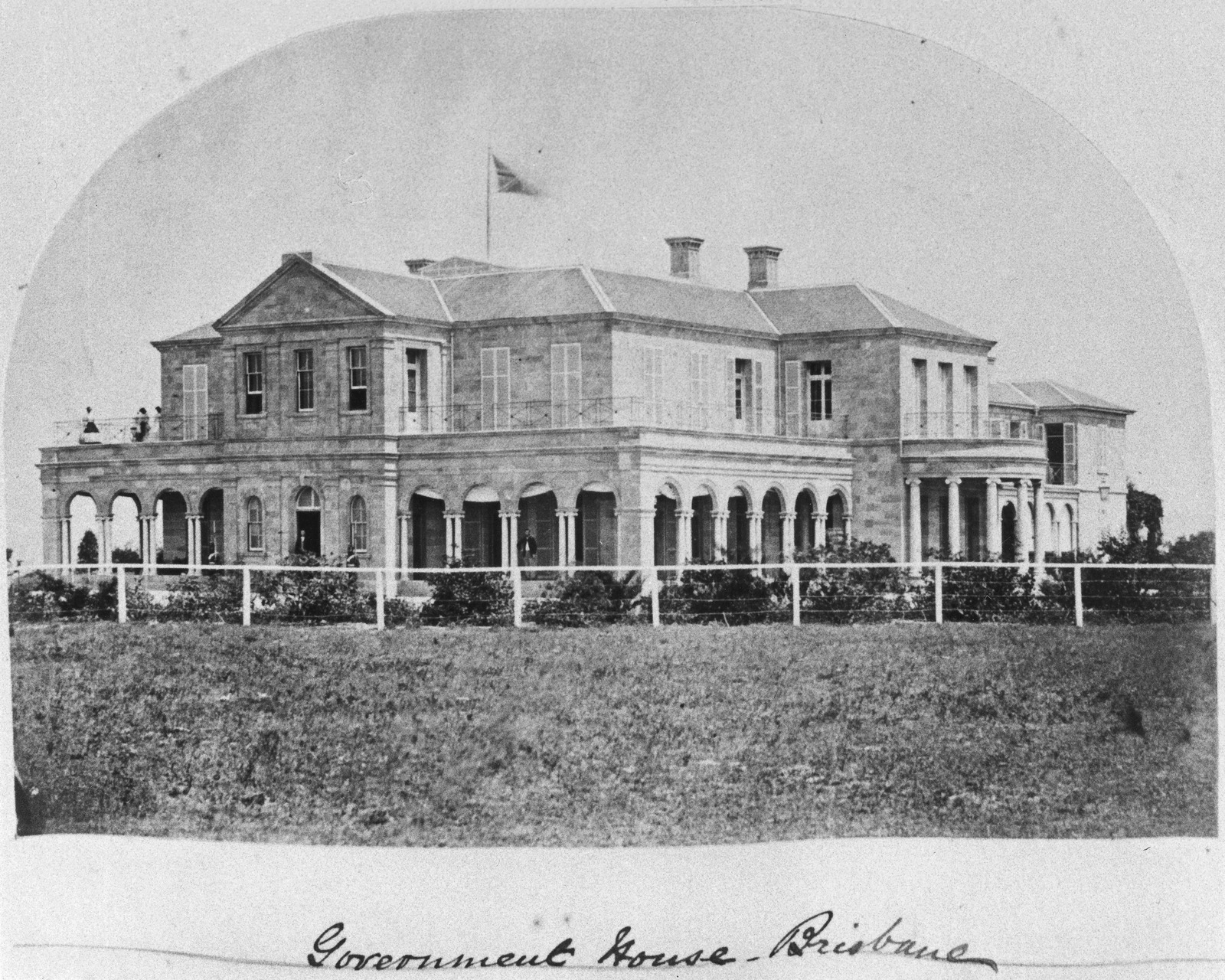
His portfolio included notable early Brisbane buildings such as the Old Government House and homes for prominent residents like John Petrie and the Cribb family.

Old Government House, George Street, ca 1867 (Photo credit: State Library of Queensland)

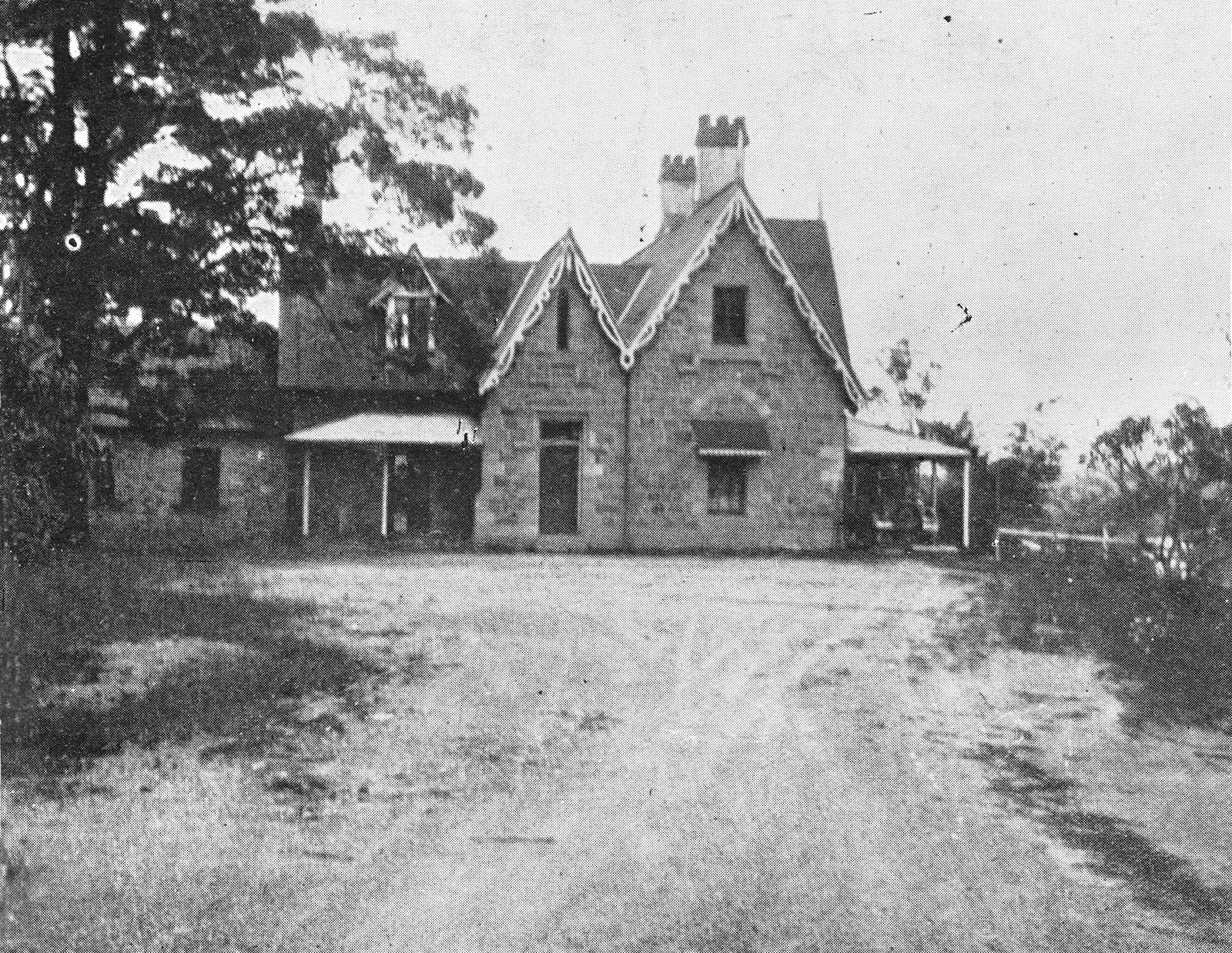
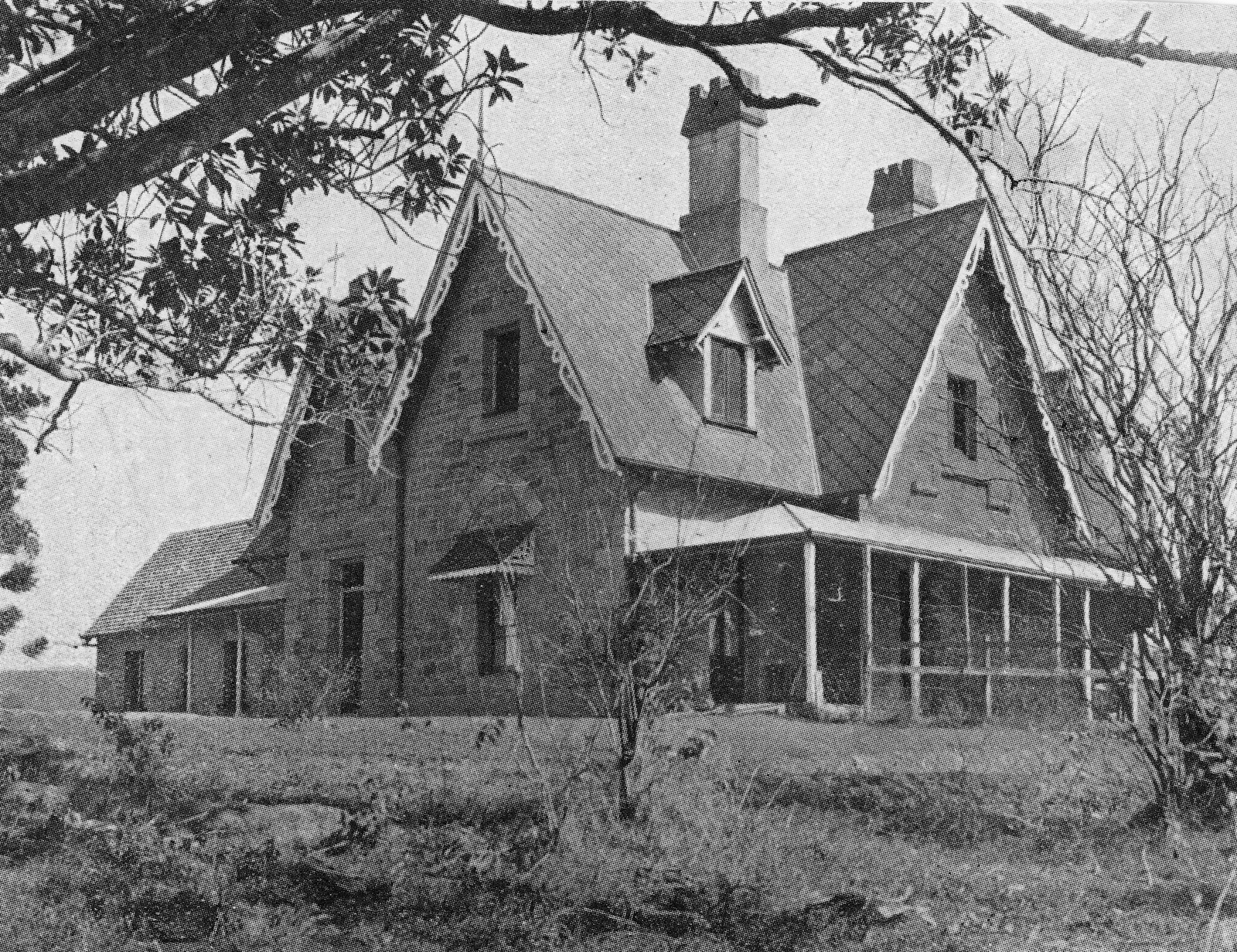
In 1864, Jeays constructed Bardon House, using stone quarried from his own quarry at Woogaroo. The name “Bardon” was a nod to his roots, derived from Bardon Hill, the highest landmark in Leicestershire County, close to Joshua and Sarah’s respective hometowns of Loughborough and Beeby.

Joshua Jeays
Bardon House ca 1930 (Photo credit: State Library of Queensland)

Tragically, Sarah Jeays passed away in July 1864, the same year Bardon House was completed. Despite being one of the first landowners in the district, Joshua never resided in the house he built. By 1865, he was leasing it as a ‘Stone-Built Suburban VILLA RESIDENCE’. The following year, his daughter and son-in-law Charles Lilley (later Sir Charles and Governor of Queensland) briefly occupied the house until 1867.

Joshua Jeays
Bardon House ca 1930 (Photo credit: State Library of Queensland)

A Man of Many Hats

Beyond his architectural achievements, Jeays was deeply involved in local politics. In 1859, he became an alderman of the Brisbane Municipal Council. His political career peaked in 1864 when he served as Mayor of Brisbane for a year.

Joshua Jeays
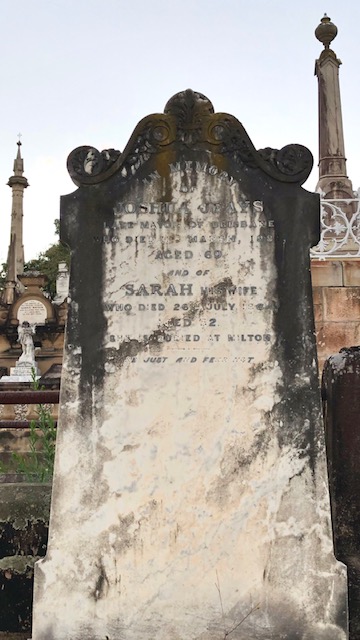
Joshua and Sarah Jeays headstone (Photo credit: Friends of Toowong Cemetery)

Joshua Jeays continued to live in North Quay until his death on 11 March 1881, at the age of 69. While he may never have called Bardon House home, the structure stands as a lasting tribute to his craftsmanship and vision for Brisbane.


Read: The Evolution of Bardon House


Today, Bardon House remains a cherished piece of Brisbane’s architectural heritage and is now a part of the St Joseph’s primary school complex.

Published 4-September-2024

Green Waste Bin Deliveries Begin in Bardon as Rollout Starts

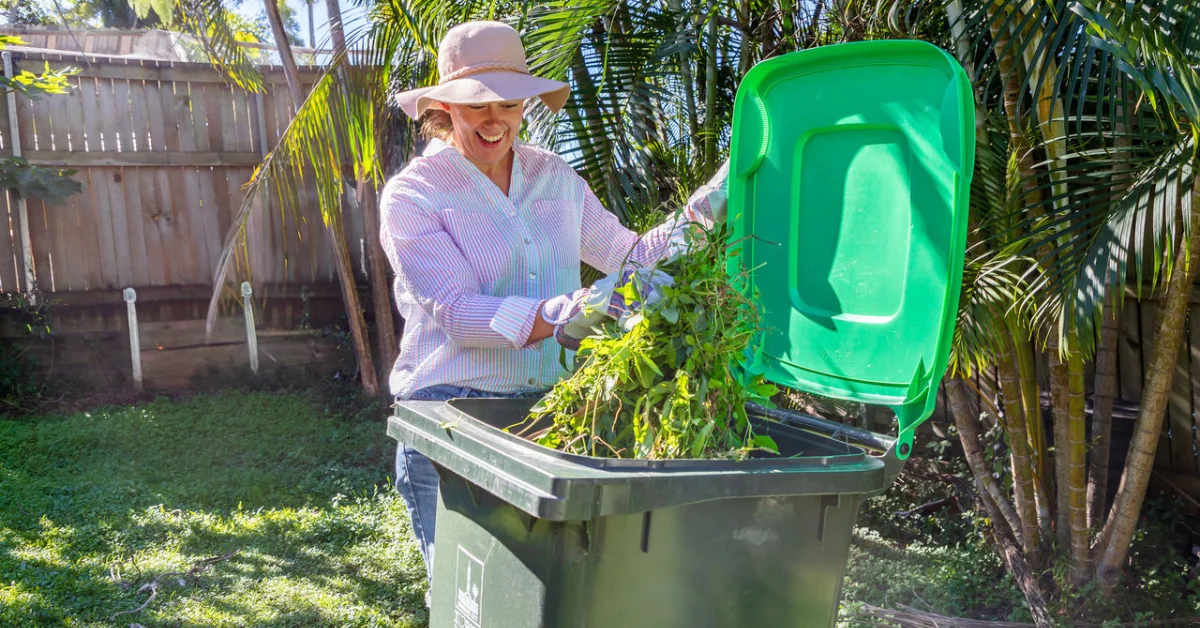
Bardon households are receiving new green waste recycling bins as part of Brisbane’s citywide rollout to expand kerbside garden waste collection.


Background and Rollout Schedule

BCC has commenced a citywide program to deliver green waste recycling bins to all eligible single-unit dwellings, with Bardon among the suburbs in the first delivery stage. The initiative, running from August to December 2025, aims to supply up to 160,000 additional bins across the city. 

Bardon deliveries are scheduled between 4 August and 15 August 2025, alongside suburbs including Wakerley, Chandler, Mackenzie, Manly West, Rochedale, Auchenflower, Wynnum, Wynnum West, Manly and Lota.

green waste recycling
Photo Credit: BCC

Purpose and Expected Impact

The program seeks to divert between 65,000 and 80,000 tonnes of green waste from landfill annually, turning garden waste into compost and mulch. This is expected to save ratepayers between $2 million and $3 million in the first year and up to $32 million over five years by reducing costs associated with the State’s waste levy. Garden waste currently accounts for nearly a quarter of household general waste in Brisbane.

Eligibility and Service Details

All eligible standalone houses, including rental properties, will receive a 240-litre bin with a bright green lid unless they opt out. Households already using a green bin will continue their current service without additional charges. Apartment complexes and some townhouses are not automatically included but may request a bin at no extra cost. Collection occurs fortnightly, alternating with yellow-lid recycling bins.

Brisbane green bin rollout
Photo Credit: BCC

Costs and Funding

From 1 July 2025, the Waste Utility Charge was replaced with a Universal Waste Charge of $512.96 annually, representing an increase of $49.62 on the previous base cost. This covers all waste services and the state waste levy. The rollout has been supported by the State’s Grow FOGO fund, which provides BCC with a one-time grant per participating household.

Opt-Out Provisions

Residents who do not require a green waste bin, such as those with minimal garden space or established composting systems, can opt out by submitting a request to BCC by 1 December 2025. This does not reduce the waste charge, as it covers all collection services.

Next Steps


Deliveries in Bardon and other Week 1 suburbs will continue until mid-August, with the citywide rollout expected to be completed by December 2025. Collection services for new bins will begin in the fortnight following delivery.

Published 10-Aug-2025

Freak Hill Climbing: The Golden Age of Motorsport Spectacle in Bardon

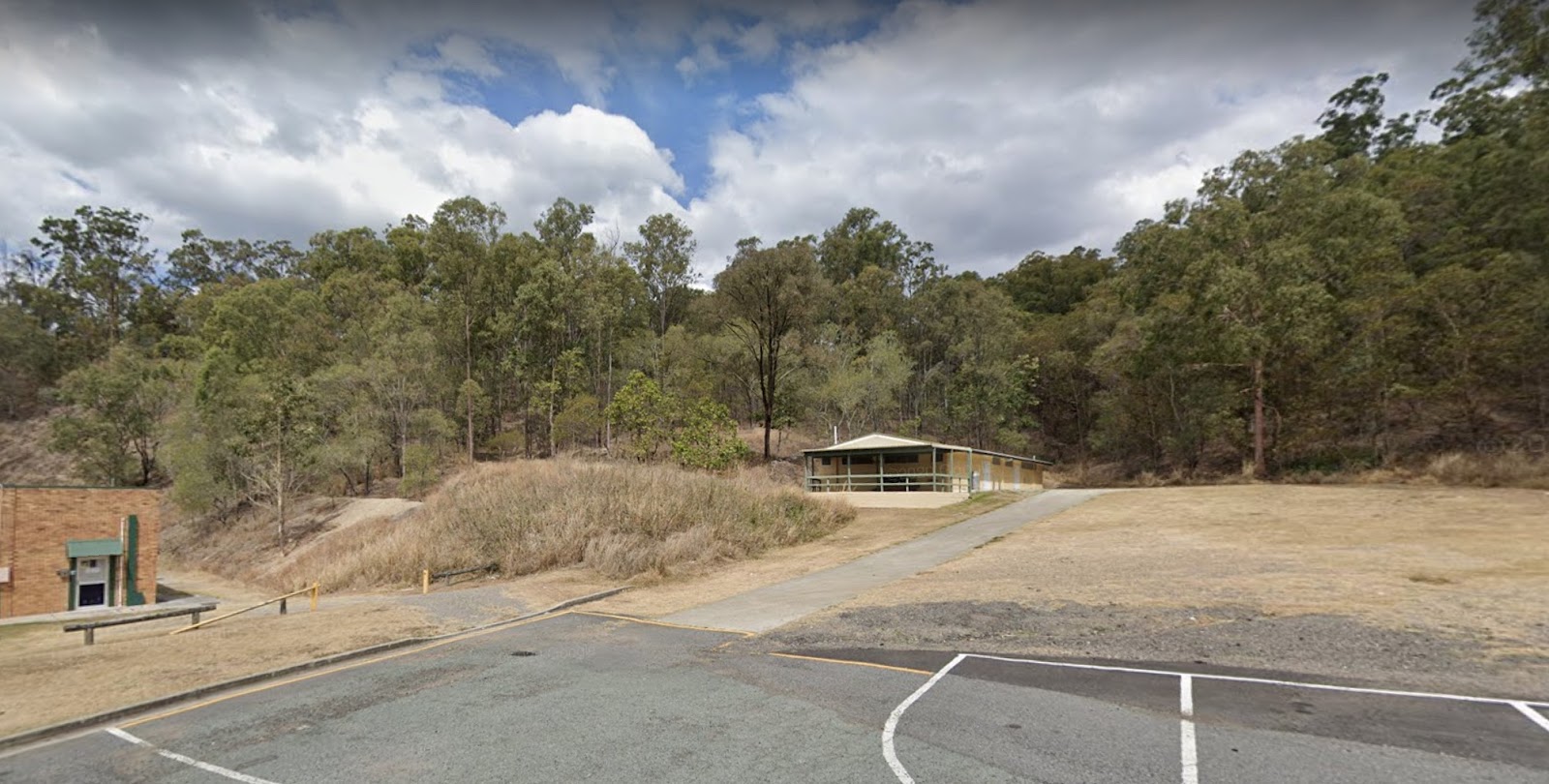
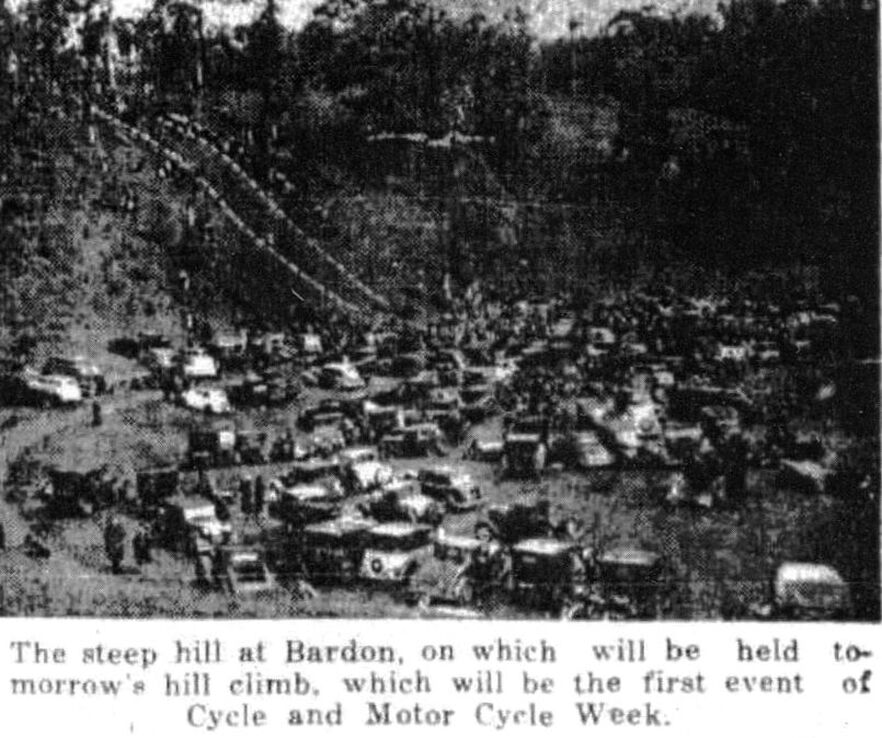
In the heart of the quiet suburb of Bardon, Saturdays once echoed with the roar of motorcycles and the cheers of thousands. From the 1930s to the late 1950s, a death-defying spectacle known as ‘freak hill climbing’ turned the steep slopes of Purtell Park into a battleground of grit, power, and local legend.


It’s unclear how freak hill climbing started in Bardon but the motorsport was already popular in Melbourne in the early 1900s for both motorcycles and cars.

Photo Credit: Google Maps

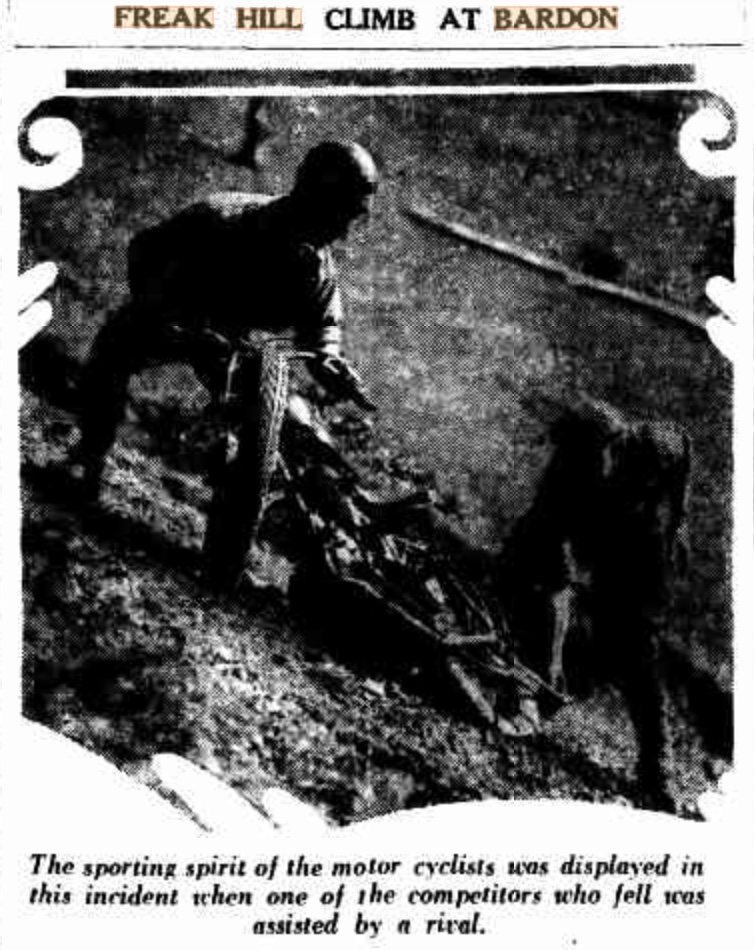
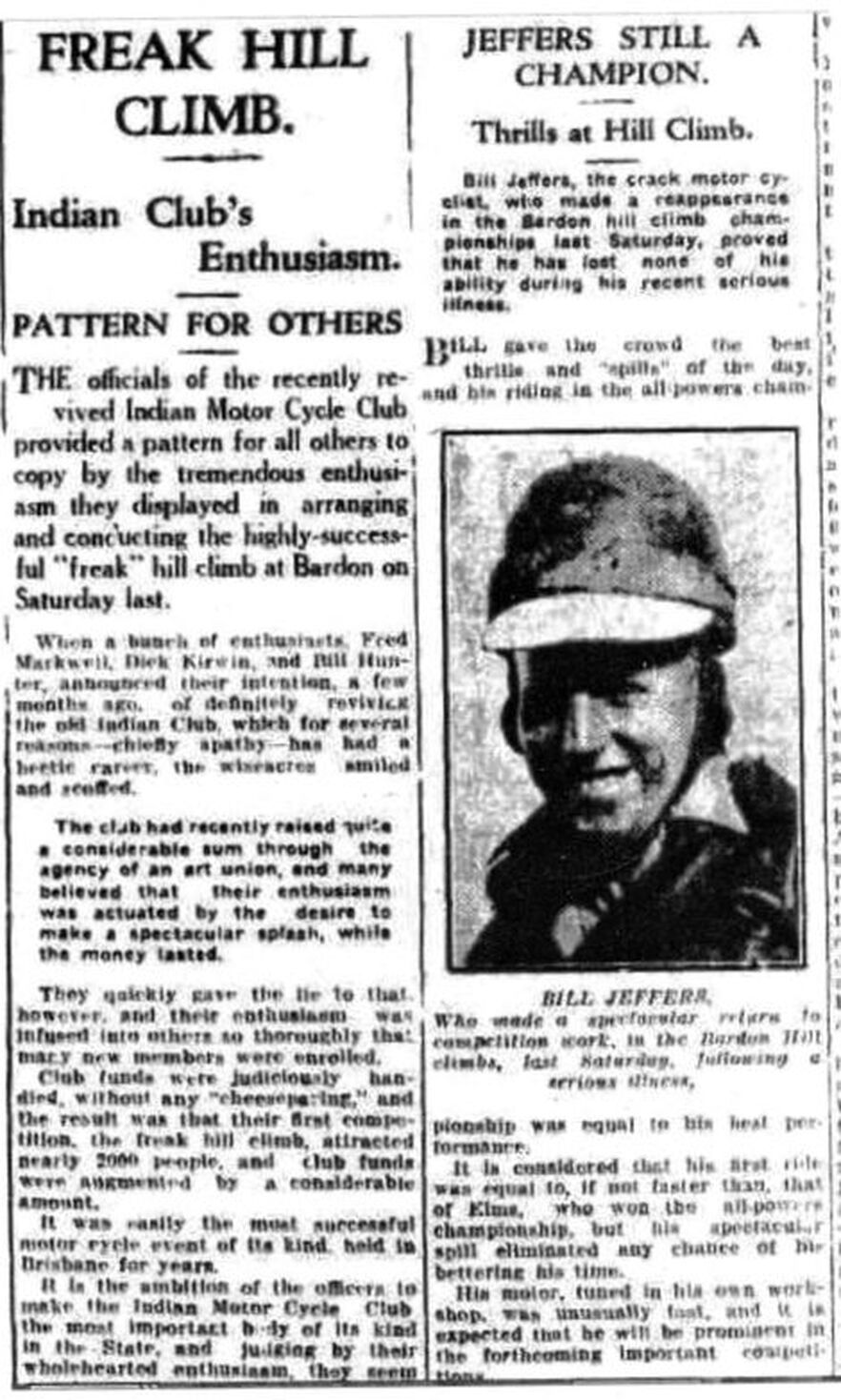
In the 1930s, various clubs like the Bardon Hill Climb, the Kedron Motor Club or the Indian Motorcycle Club would host the healthy but challenging competitions among bikers in Brisbane as a fundraiser for causes they supported. But beyond the cause, young daredevils were motivated to join the competition to tackle the steepest and roughest spots on the hills like a badge of honour. 

Photo Credit: https://trove.nla.gov.au/

According to Speedway and Road Race History, the races attracted thousands of spectators as riders try to climb or crash onto the 45-degree hill. So steep were the slopes that the motorcycles would sometimes have to be lowered down with ropes.  


World War II temporarily halted the competitions but the  “thrills on freak hills” were still well-document in the mid-50s.

Updated 25-May-2025/2-July-2025

More Than a Menu: How Luna Pizza in Bardon is Building Community

A charming gourmet pizza bar in an old Bardon shop has become a popular local gathering spot by offering a delicious range of pizzas in a rustic laneway setting where the whole family, including pet dogs, is welcome.


A Local Dining Experience

Luna Pizza
Photo Credit: Google Maps

Luna Pizza has cultivated a cozy and inviting atmosphere, transforming a simple shop into a community favourite. Diners can enjoy their meals in a rustic laneway to the side of the establishment, which is decorated with tea light candles for a warm ambiance. 

The decision to allow dogs in this outdoor seating area has made it a particularly popular choice for local pet owners seeking a relaxed meal out. The restaurant is also considered a good place for families with children.

From Classic to Gourmet

Luna Pizza
Photo Credit: Google Maps

The menu provides a wide selection of food to suit various tastes. Beyond its popular thin-crust pizzas, the pizzeria serves a variety of chicken wings with flavours like buffalo, teriyaki, and smokey bourbon. Garlic bread and fresh salads are also available as starters or sides. 

The pizza offerings include timeless choices such as Margherita and Hawaiian, alongside a more impressive range of gourmet options. These feature creative topping combinations like the Pesto Pollo, which has a napoli base with mozzarella, chicken and pesto aioli, and the Cheeseburger pizza, which uses a ketchup and mustard base with beef and pickles.


Planning Your Visit

Luna Pizza
Photo Credit: Google Maps

For customer convenience, Luna Pizza provides a range of services including dine-in, takeaway, delivery, and curbside pickup. The pizzeria operates on a Bring Your Own (BYO) basis for drinks, allowing patrons to bring their favourite beverages to accompany their meal. 

While BYO is encouraged, a small selection of soft drinks and water is available for purchase. To avoid disappointment during busy periods, making a reservation is recommended. The establishment accepts both credit and debit cards for payment.

Published Date 07-July-2025

Top 3 Property Sales in Postcode 4065

Postcode 4065, encompassing the prestigious hillside suburb of Bardon, has delivered some of Brisbane’s most impressive residential sales in recent months. Known for its leafy streets, architectural excellence, and proximity to elite schools, Bardon continues to attract discerning buyers willing to pay premium prices for quality homes in this coveted inner-west enclave.


1. 32-34 Boundary Road, Bardon – $5.1 million

Leading the charge is 32-34 Boundary Road, which achieved an exceptional $5.1 million sale in May 2025. This five-bedroom, five-bathroom prestige home represents the pinnacle of contemporary family living, expertly designed by renowned architects DAHA and built by Otex Developments. Set on a rare 1,214sqm double lot, the tri-level residence showcases the perfect marriage of timeless character and modern refinement.

The property’s standout features include stunning city views, an infinity pool with spa jets, and sophisticated entertainment areas designed for multi-generational living. With polished concrete and engineered oak floors throughout, plus a gourmet kitchen featuring premium Siemens appliances and a Liebherr dual-zone wine cabinet, this home sets a new benchmark for luxury living in Bardon. The secure three-car garage with turntable and advanced security systems further emphasise the property’s premium positioning.

2. 14 Barton Street, Bardon – $4.8 million

The second-highest sale belongs to 14 Barton Street, a masterfully renovated 1920s cottage that changed hands for $4.8 million in March 2025. Architecturally redesigned by celebrated designer Shaun Lockyer, this five-bedroom family home demonstrates how heritage character can be seamlessly integrated with organic modern luxury.

Positioned in the highly sought-after Rosalie pocket of Bardon, the 607sqm property captures the suburb’s renowned leafy ambiance through its eastern rear aspect and elevated position. The home features three dedicated living zones, soaring 3m+ ceilings, and a sophisticated indoor-outdoor design that maximises Queensland’s climate advantages. Premium finishes include a gourmet kitchen with oversized stone island and complete Miele appliance suite, complemented by a private swimming pool and tranquil tree-lined outdoor spaces.

3. 23 Vimy Street, Bardon – $4.725 million

Completing the top three is 23 Vimy Street, which sold for $4.725 million in April 2025. This architecturally designed six-bedroom family entertainer spans a generous 830sqm block with coveted north-east aspect, offering the perfect balance of contemporary style and practical family living.

Only three years old, the property showcases impressive scale with soaring 4.3m ceiling heights and an oversized living area flooded with natural light. Luxury appointments include a temperature-controlled walk-in wine cellar with custom LED racking for 564 bottles, a fully equipped home cinema, and a heated therapeutic mineral swimming pool. The master suite features a private balcony with wet bar and three-person infrared sauna, while separate his-and-her dressing rooms inspired by Parisian boutiques add an extra touch of sophistication.

Why These Numbers Matter

These three exceptional sales underscore Bardon’s evolution as one of Brisbane’s most desirable residential addresses, with each property commanding well above the $4.5 million mark. The concentration of high-value sales within a short timeframe signals sustained confidence in the suburb’s premium market, driven by several key factors.

Firstly, the architectural pedigree of these homes cannot be understated. With renowned designers like Shaun Lockyer and DAHA involved, these properties represent more than just homes – they’re architectural statements that appeal to buyers seeking design excellence alongside luxury living.

The substantial land holdings – ranging from 607sqm to 1,214sqm – offer a rare commodity in Brisbane’s inner suburbs: space. In an era where urban density continues to increase, these generous allotments provide families with room to breathe, entertain, and create private sanctuaries within minutes of the CBD.

Location remains paramount, with Bardon’s proximity to prestigious educational institutions like Stuartholme School, Brisbane Boys’ College, and Rainworth State School proving irresistible to families prioritising education. The suburb’s easy access to Paddington’s café culture and Rosalie Village’s boutique shopping adds lifestyle appeal that extends beyond the property boundaries.


For current Bardon homeowners, these sales represent significant capital growth validation and suggest continued strength in the luxury market segment. For investors and agents, the results confirm that well-designed, substantial homes in tightly held suburbs with strong fundamentals continue to attract serious buyer interest, even as broader market conditions remain selective.

Published 13-June-2025