West Brisbane Sports Results Feb 20-22


 Sat, February 21, 2026 (Allianz Stadium) – A-League – Men – Round 18
• Sydney FC 1  |   Brisbane Roar FC 0

 Sun, February 22, 2026 (Spencer Park) – A-League – Women – Round 18
• Brisbane Roar FC 0  |   Adelaide United FC 2


Sat, February 21, 2026 (St Georges Park – St George Willawong FC – Field 1) – FQPL1 – Men – Round 1
• St George Willawong 1  |   Broadbeach United 5


Fri, February 20, 2026 (Bulimba Memorial Park – Southside Eagles FC – Field 1) – Kappa Pro Series – Women – Regional Round 1
• Southside Eagles 0  |   UQFC 0

Fri, February 20, 2026 (Walton Bridge Reserve – The Gap FC – Field 1) – Kappa Pro Series – Women – Regional Round 1
• The Gap FC 0  |   Logan Lightning 2


Sat, February 21, 2026 (Goodwin Park – Olympic FC – Field 1) – NPL – Men – Round 1
• Olympic FC 2  |   Lions FC 1

Sun, February 22, 2026 (Meakin Park – Field 1) – NPL – Men – Round 1
• Brisbane Roar B 1  |   Brisbane City 3

Sat, February 21, 2026 (Heath Park – Eastern Suburbs FC – Field 1) – NPL – Women – Round 3
• Eastern Suburbs 4  |   Brisbane City 2

Sat, February 21, 2026 (Goodwin Park – Olympic FC – Field 1) – NPL – Women – Round 3
• Olympic FC 0  |   Lions FC 0


Fri, February 20, 2026 (Brisbane Entertainment Centre) – NBL – Men – Round 22
• Brisbane Bullets 77  |   Sydney Kings 117


Sat, February 21, 2026 (The Gabba) – One Day Cup 2025-26 – Men – Match 6
• Queensland Bulls 260  |   South Australia Men 135

Sat, February 14, 2026 & Sat, February 21, 2026 (2 Day – Wep Harris Oval) – Queensland Premier Cricket – Men 1st Grade – Round 14
• University of Queensland Mens 1st Grade 6-251  |   Valley Mens 1st Grade 8-262


Sun, February 22, 2026 (Kerry Emery Oval – One Day) – Queensland Premier Cricket – Women 1st Grade – Round 21
• Sunshine Coast Womens 1st Grade 111  |   Valley Womens 1st Grade 9-235

Sat, February 14, 2026 & Sat, February 21, 2026 (2 Day – Trevor Hohns Field) – Queensland Premier Cricket – Men 1st Grade – Round 14
• Sandgate-Redcliffe Mens 1st Grade 6-322  |   Western Suburbs Mens 1st Grade 3-324

A Short Stroll to Paddington’s Art Trail: Your Bardon Neighbour’s Open-Air Gallery

Bardon residents don’t need to venture far to experience some of Brisbane’s most creative public art. Just down the hill in neighbouring Paddington, a vibrant collection of sculptures, murals and mosaics transforms the familiar shopping strip into an unexpected outdoor gallery. It’s the kind of cultural offering that makes living on the leafy fringes of the inner west even more appealing – world-class art within walking distance, or a quick bus ride away.


Read: Bardon’s Queen Bee: A Legacy of Science and Mentorship


The Bright Siders’ Historical Tribute

Art
Photo credit: Facebook/Bizzell’s Garage

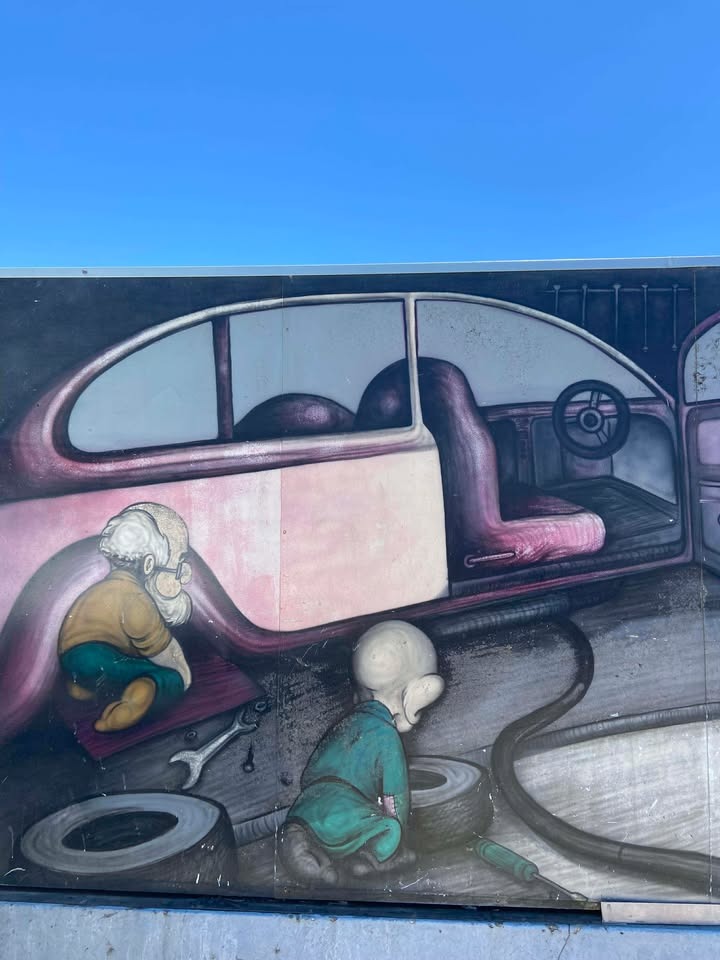
At Bizzell’s Garage, artist collective The Brightsiders have created a mural that honours Paddington’s transport heritage. The artwork depicts the bustling tram scene that defined the suburb during the 1900s, when trams were the lifeblood of the community. The mural serves as a reminder of Paddington’s transport history and the trams that once connected Bardon residents to the city below – the very line that helped shape both suburbs into the residential communities they are today.

Scott Harrower’s Highland Rest

Art
Photo credit: scottharrowerdesign.com

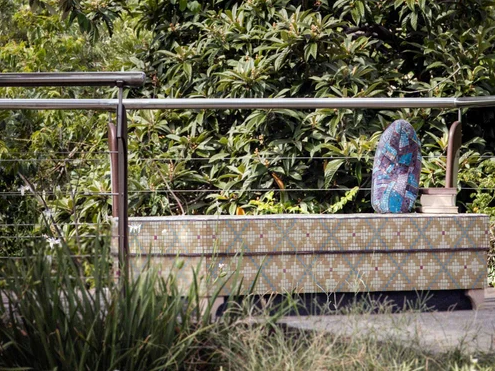
Further along the terrace, you’ll discover Scott Harrower’s “Highland Rest”, a stunning mosaic-tiled bench that offers both respite and visual delight. Harrower’s mosaic work creates a permanent installation that functions as both art and amenity. The intricate patterns reward close inspection, making it an ideal spot to pause during your shopping expedition or weekend wander.

The Kooka! Trail: Paddington’s Signature Sculpture Walk

Art
Photo credit: Facebook/Debra Hood Art

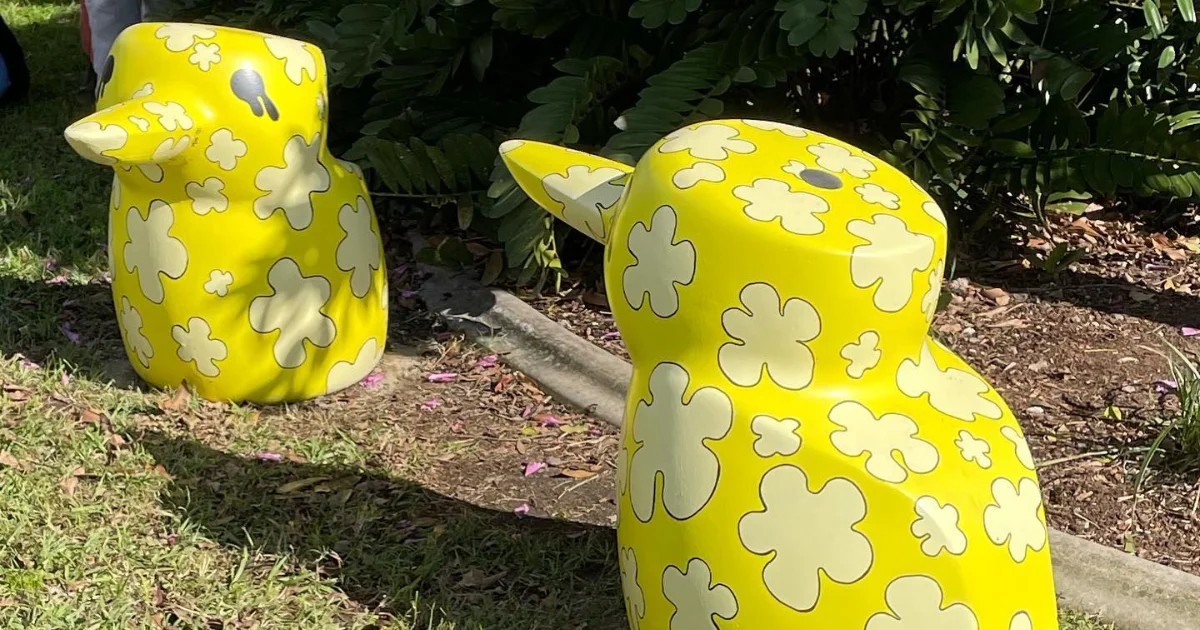
The highlight of Paddington’s public art offering is undoubtedly the Kooka! Trail, featuring 16 vibrant kookaburra sculptures scattered along Latrobe Terrace and Given Terrace. Launched in 2022 through Brisbane ‘s Paddington Terraces Precinct Grant Project, these sculptural seats are far more interesting than your average street furniture.

Each sculpture was made from waste materials before being reimagined by local artists into functional seating that celebrates the laughing kookaburra. Brisbane design collective Derlot created the base forms, while individual artists added their distinctive interpretations.

Debra Hood decorated her kookaburra with delicate dotted patterns inspired by Brisbane’s springtime blooms. Zoe Porter’s “Latrobe Kookaburra” features the vivid pinks, yellows and greens of galahs, cockatoos and lorikeets, weaving native bird species into traditional kookaburra markings. Torres Strait Islander artist Tori-Jay Mordey created “Care and At Night”, a thoughtful reflection on the struggles native wildlife face in urban settings.

One particularly moving sculpture represents five cultural groups – Irish, Hungarian, Croatian, Polish and Italian – commemorating the Catholic immigrant families who made Paddington home between the 1940s and 1970s. Other contributing artists include Rick Hayward, Stephen Mok, Hailey Atkins and Spectator Jonze, each bringing their unique artistic voice to the project.

Making the Journey

For Bardon residents, accessing Paddington’s art trail couldn’t be easier. You can walk down Latrobe Terrace from the Bardon end towards Given Terrace and Suncorp Stadium, turning the journey into a leisurely afternoon outing. Multiple bus routes service the area if you prefer to save your energy for the return uphill journey.


Read: More Than Meets the Eye: Uncovering the Hidden Stories of Rosalie


Between artworks, you’ll pass the cafés and boutique shops that make Paddington such a popular destination for Bardon locals. The entire art trail experience is free, making it an ideal outing for families, a creative date idea, or simply a fresh way to experience a familiar neighbourhood.

Living in Bardon means having access to nature reserves, quiet streets and community spirit. But it also means being minutes away from cultural experiences like Paddington’s public art trail – proof that the best galleries don’t always have walls, and the best exhibitions are sometimes just a short walk from home.

Published 31-January-2026

Rosalie’s Hall with Secret Layers Reveals a Century of Community Life

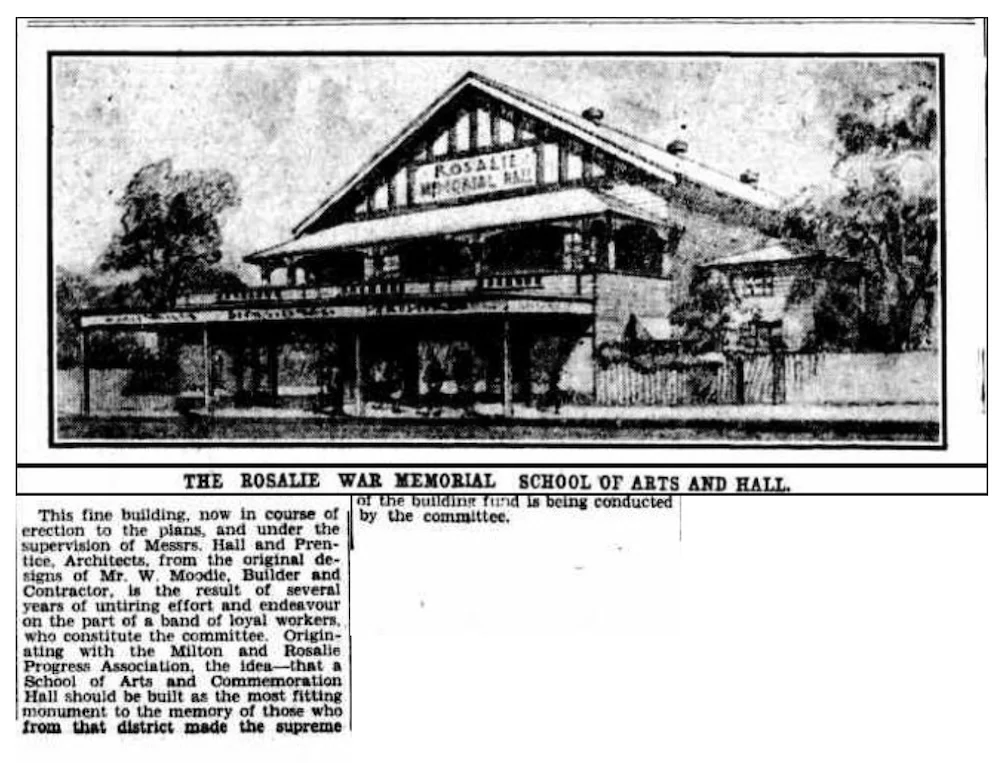
In Rosalie, a modest timber hall on Nash Street has always been more than it appears: built as a place to gather and remember, it was designed with shops tucked beneath the main hall, quietly funding community life while generations met, mourned, danced, learned and watched movies upstairs — a layered landmark that mirrors Rosalie’s own hustle and heart.


A hall designed to pay its own way

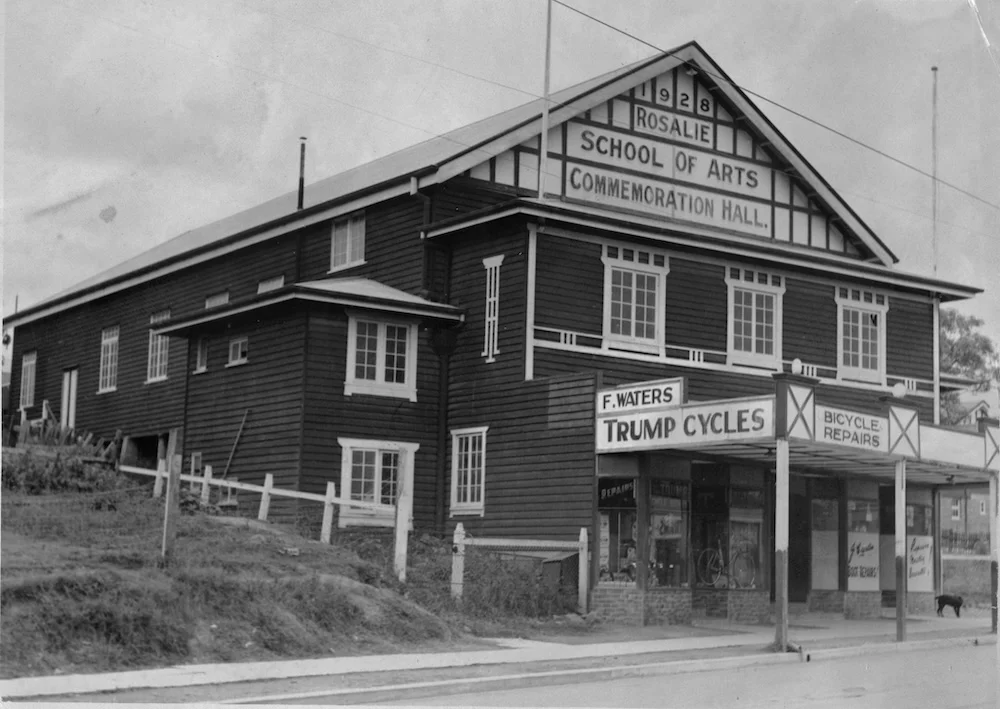
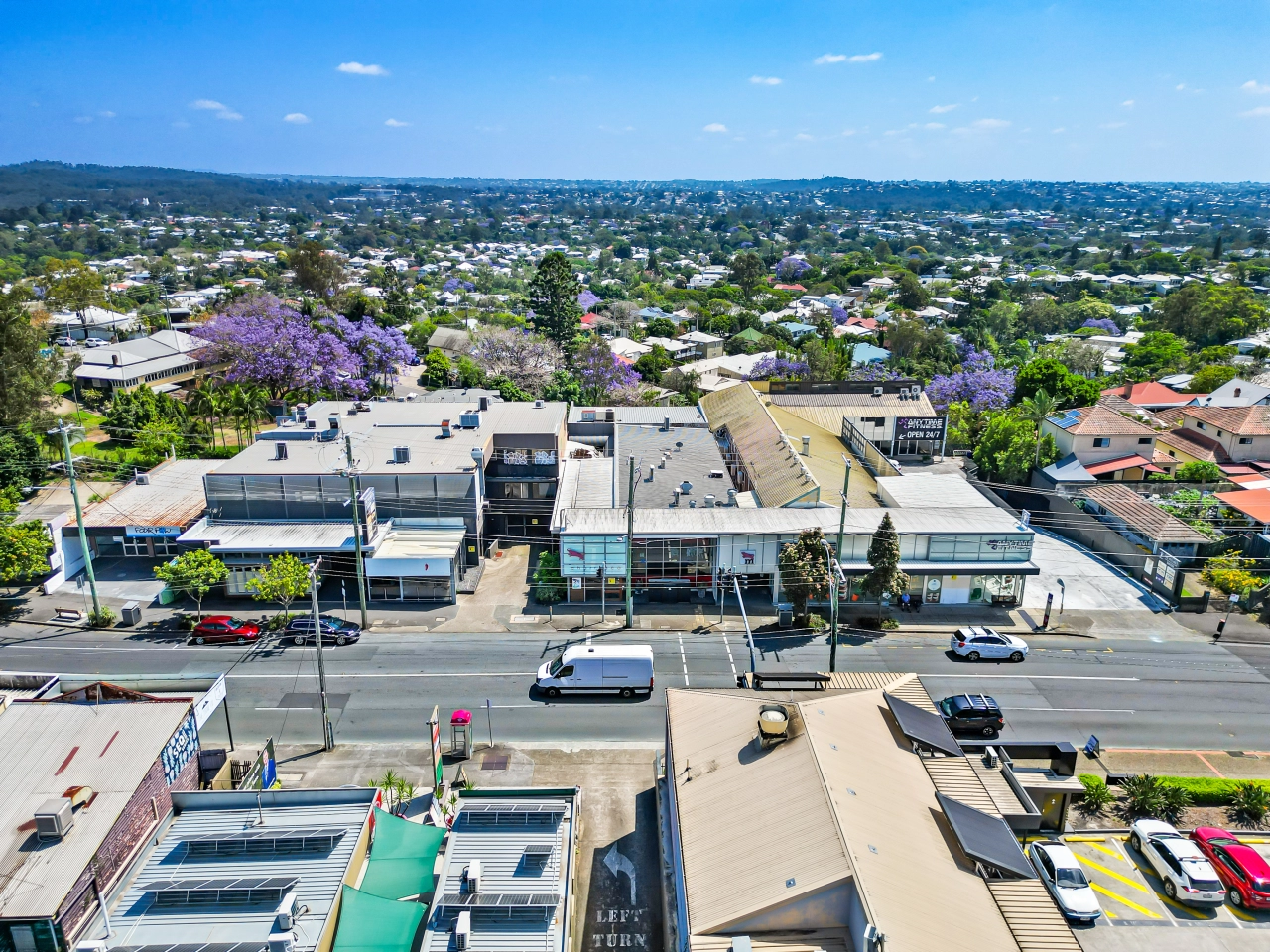
Walk past the former RSL Hall at the corner of Nash and Elizabeth streets, and it’s easy to miss the ingenuity built into its structure. The main hall sits above street level, while two shopfronts below — numbers 16 and 18 Nash Street — were deliberately included to generate income. 

Rent from these businesses helped service the mortgage and keep the building operating, a practical solution by residents determined to sustain their own cultural hub.

This blending of idealism and realism was typical of Queensland’s Schools of Arts, which emerged across the state as towns and suburbs matured. According to the heritage overview, these institutions were often the first centres for adult education, debate and performance, at a time when books were costly and public libraries rare.

Photo Credit: Wikipedia

Why Rosalie — and why this site

The hall’s location was not accidental. A parkland site near Milton State School was initially offered, but the committee opted for the Nash Street corner block instead. An 1895 map labelled the park area “Red Jacket Swamp”, making higher ground more appealing for a permanent civic building.

Although the hall’s street address now places it in Paddington, Rosalie has long been recognised as a locality within the suburb, identified by residents well before modern council and postal boundaries were formalised. Historic maps and local records show Rosalie as a distinct pocket, with its own village centre clustered around Nash Street, Gregory Park and nearby schools.

Rosalie itself was developing rapidly by the early twentieth century. Nestled within Paddington, the locality grew alongside Brisbane’s tram network and expanding suburbs, evolving from semi-rural fringes into a close-knit residential pocket. Local history records note that Rosalie’s name likely derives from a Darling Downs grazing station owned by John F. McDougall, an early landholder in the area

The Rosalie School of Arts Commemoration Hall was named for the community it served, not a postcode. While later administrative changes absorbed Rosalie into Paddington for official purposes, the name has endured in local use — a reminder that neighbourhood identity often outlasts lines drawn on maps.

Education, remembrance and community life

When the hall opened in 1928 as the Rosalie School of Arts Commemoration Hall, it carried a dual purpose. It was both a centre for learning and social life, and a war memorial — reflecting the profound impact of World War One on Australian communities.

Photo Credit: Monument of Australia

Across the country, thousands of memorials were built as families mourned servicepeople buried overseas. In Rosalie, remembrance was woven into daily life: lectures, concerts, meetings and library visits took place under a roof dedicated to those who had served.

The hall quickly became a hive of activity. A kindergarten operated there in the late 1920s and early 1930s, public meetings filled the calendar, and the space hosted dances, exhibitions and celebrations that helped define Rosalie’s social rhythm.

From memorial hall to veterans’ home

By 1934, the building had become the birthplace of the local Returned Sailors’, Soldiers’ and Airmen’s Imperial League of Australia sub-branch, later known as the Returned & Services League (RSL). The organisation would go on to shape the building’s future, reflecting Rosalie’s strong ties to returned servicepeople.

In 1946, ownership of the hall was formally transferred to the RSL under state legislation. The library collection moved to council facilities, and the building’s role shifted more squarely toward veterans’ affairs, while still remaining open to broader community use.

Lights, camera, Rosalie

One of the hall’s most unexpected chapters came during and after World War II, when it transformed into the 300-seat Beverley Theatre. On multiple nights each week, locals gathered to watch films without travelling into the city.

The Beverley Theatre joined a now-lost network of suburban cinemas that once animated Paddington and surrounding areas, turning community halls into shared entertainment spaces and reinforcing their role as social anchors.

While movies played and meetings unfolded upstairs, the shops beneath the hall continued their steady service. Over the decades, they housed a dressmaker, bootmaker, bicycle shop and a maternal and child welfare clinic — providing everyday services while financially underpinning the building itself.

Today, those commercial spaces remain active, just as the hall above continues to evolve.

Still adapting, still gathering

Alterations over time — new windows, changed awnings, enclosed stairways — reflect the hall’s ongoing adaptation. The interior has been renovated, and the main hall now operates as a fitness centre, while the RSL continues to lease it for meetings and commemorative events.

As Brisbane grapples with questions of density, development and heritage, Rosalie’s hall stands as a reminder that community buildings endure not because they stay the same, but because they adapt. Built on practical foundations and collective effort, it remains a living part of Rosalie’s story — layered, resilient and still in use.


Published 29-Jan-2026

Ladder Falls In Bardon Prompt Safety Warnings For Over-60s

Health clinicians are warning older residents in Bardon to avoid climbing ladders at home, after a local fall and hospital data showing increasing admissions linked to ladder and roof injuries.


Bardon Fall Brings Risks Into Focus

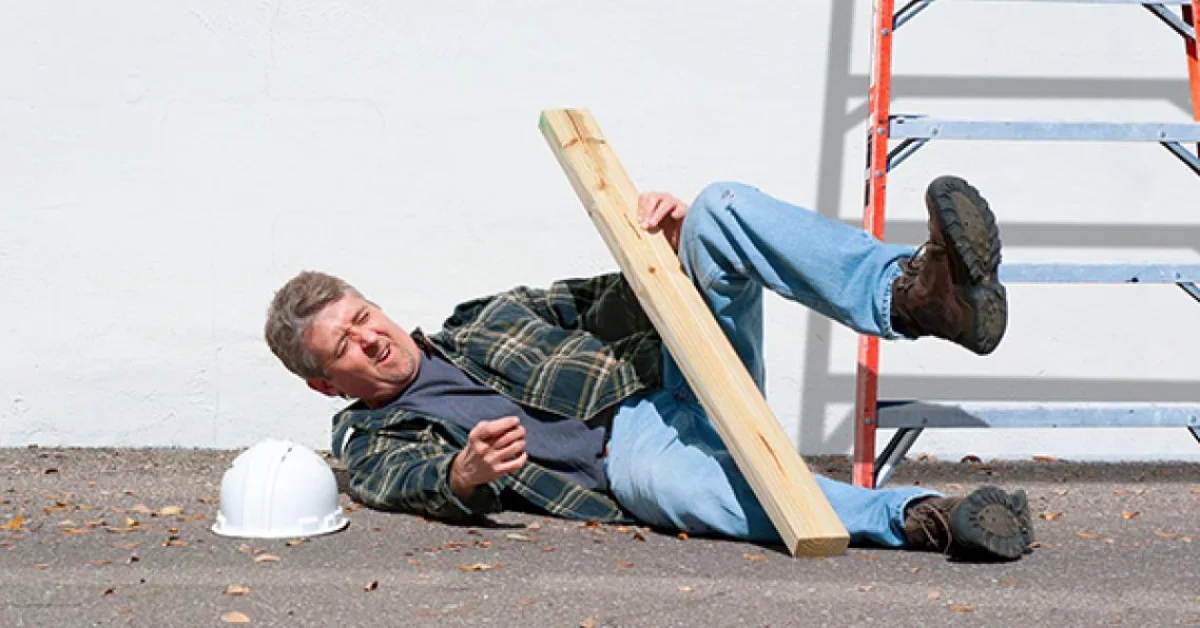
A 70-year-old Bardon resident fell more than three metres in November 2025 while cleaning second-storey windows at his home when an extension ladder gave way.

He called Triple Zero (000) and was taken to the Royal Brisbane and Women’s Hospital, where he underwent tests in the emergency department and later returned home with bruising and soreness.

Hospital Admissions Rising At RBWH

The Royal Brisbane and Women’s Hospital reports ladder and roof fall presentations have been rising year-on-year since 2022.

Between July 2023 and July 2025, the hospital admitted 189 patients for ladder and roof falls, with more than one-third aged 65 and older.

Hospital figures show 34 admissions in the 2023 calendar year and 64 admissions in the first half of 2025 alone.

ladder safety
Photo Credit: Pexels

National Numbers Show Ongoing Harm

Across Australia in 2023–24, Australian Institute of Health and Welfare figures show more than 6,000 falls on and from ladders resulted in hospitalisations.

Longer-term national hospital data has also shown ladder fall hospitalisations increased over the decade from July 2002 to June 2012, with a larger increase evident among people aged over 60.

Injuries Can Escalate Quickly For Older People

Clinicians report ladder and roof falls can be life-altering for older people and may lead to rapid medical deterioration, loss of independence, or death.

Injuries linked to ladder falls can include rib fractures, punctured lungs, and internal organ damage such as spleen and liver injuries. Some falls are linked to ladder safety issues, while others follow medical episodes including heart attack, stroke or dizzy spells.

Bardon ladder falls
Photo Credit: Pexels

Psychological Impacts Can Persist

Queensland research tracking patients after ladder falls found many experienced longer-lasting impacts, including sleeping problems, anxiety, depression and pain for at least six months after the incident.

The study followed 134 Queensland patients who presented to emergency departments after ladder falls, with many injuries occurring during home maintenance tasks.

Safety Steps And Alternatives

Safety advice includes using a ladder that meets Australian safety standards, placing it on a stable surface, wearing suitable clothing and footwear, and ensuring another person is present to supervise and assist.

For people aged over 60, clinicians advise having someone younger complete ladder tasks where possible, including jobs such as gutter clearing and tree trimming.

Outlook


With ladder fall admissions rising at the Royal Brisbane and Women’s Hospital and national hospitalisation figures remaining high, clinicians continue to emphasise prevention, particularly for older residents in Bardon undertaking home maintenance.

Published 17-Jan-2026
Changing Clubs, Not Leaving the Course: Rethinking Home at The Evelyn in Mt Ommaney

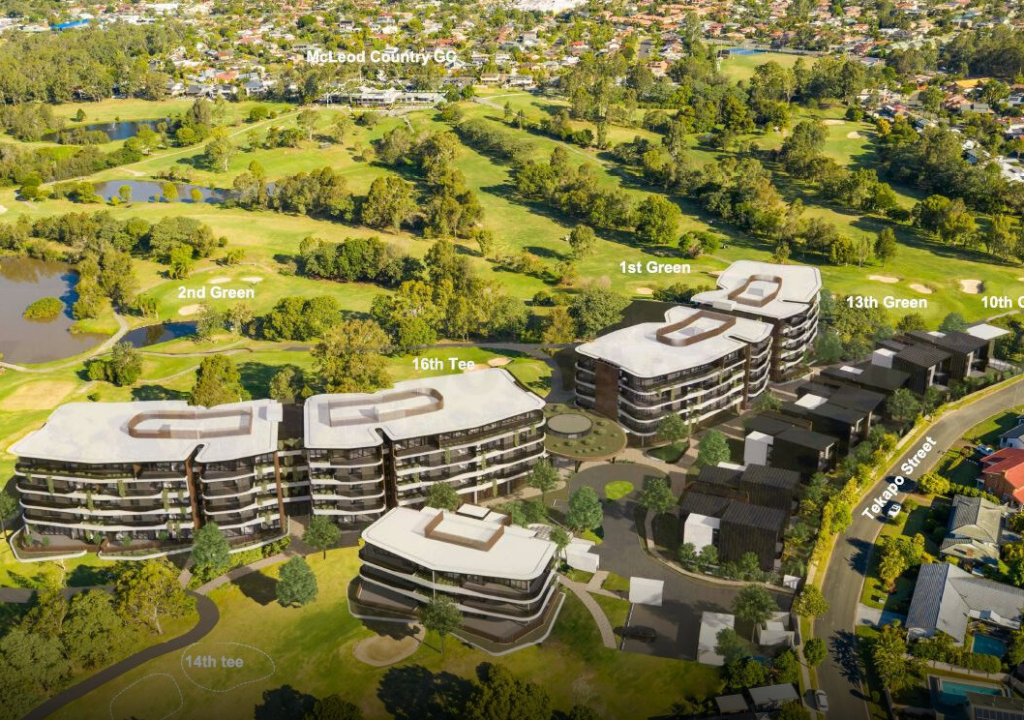
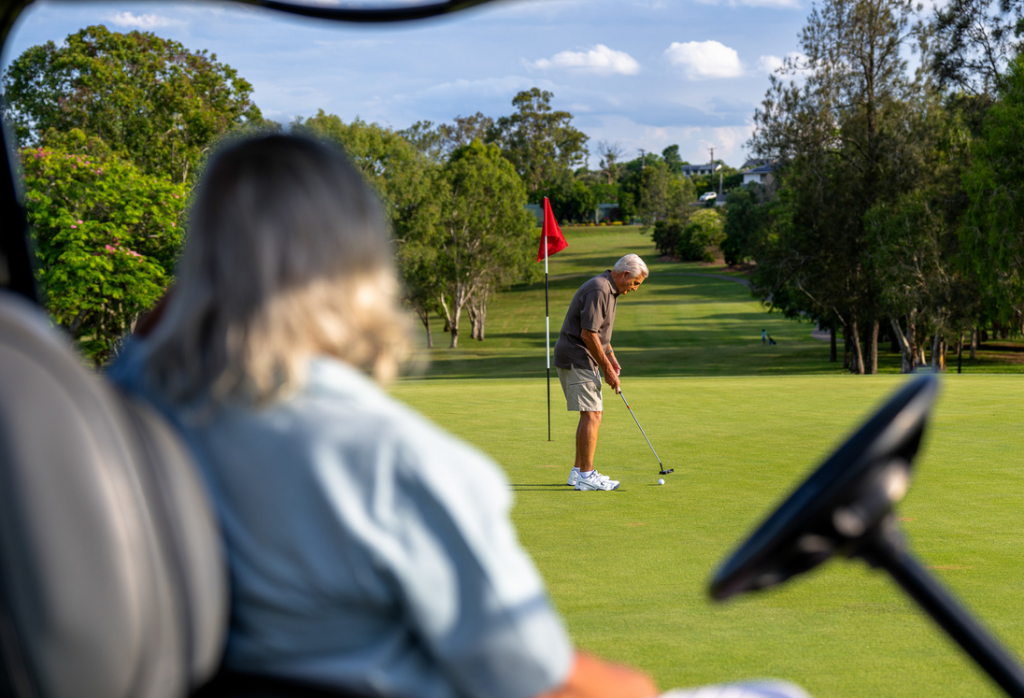
In golf, the course stays the same, but the way you play it changes. Distance, terrain and timing all call for different choices as the round unfolds. That idea sits neatly behind The Evelyn, a new retirement community taking shape beside the McLeod Country Golf Club in Mt Ommaney, at a time when many Australians are quietly rethinking what home should look like later in life.


Across the country, that rethink is already underway. National research shows that 26 per cent of people over 55 have already moved into housing better suited to how they live today, while another 29 per cent are actively considering it. Data also shows that one in five Australians over 65 requires help with property maintenance.

When the Family Home Stops Fitting

Against this backdrop, downsizing has steadily become something closer to recalibration. Ease of living, reduced upkeep and flexibility now rank ahead of financial pressure as reasons older Australians consider a move.

Like changing clubs mid-round, it is less about starting again and more about adjusting approach. People are not necessarily seeking smaller lives, but homes that allow them to stay active and connected, without the physical and mental load that can come with maintaining a large family property.

Evelyn and a Different Way of Living

Set within a golf course environment, The Evelyn reflects that shift in practical ways.

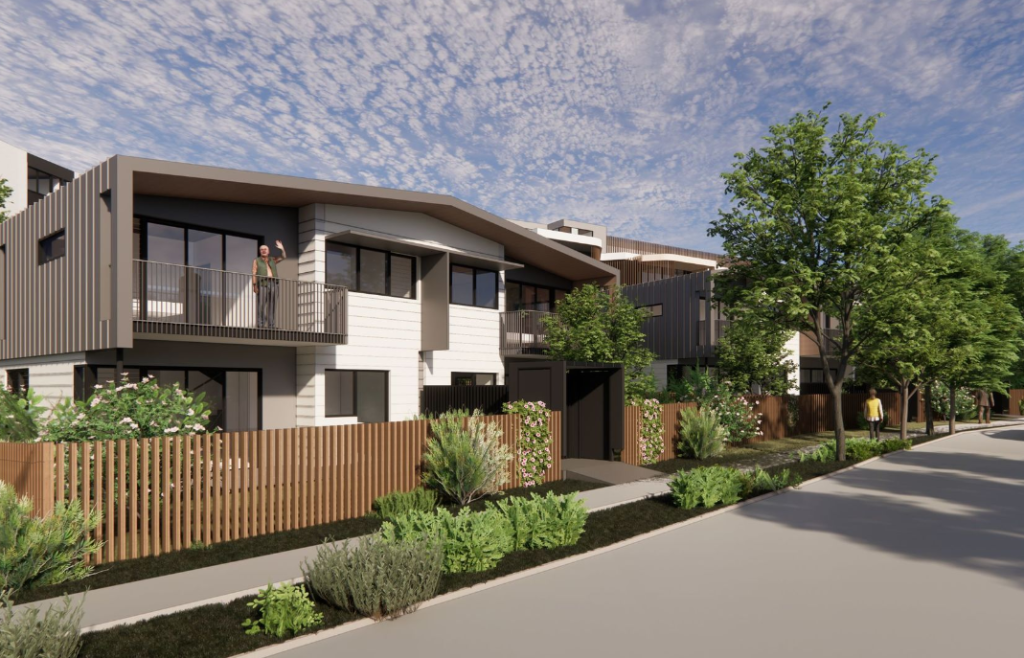
Residents live independently in private apartments and townhouses, while maintenance across homes and shared spaces is handled within the village. An on-site Village Manager and a 24-hour response system provide support when needed, without intruding on daily routines.

Photo Credit: Aura Holdings

Shared facilities are designed to be used naturally rather than formally programmed. Residents can join activities, socialise casually or simply keep their own rhythm. Like a clubhouse, the spaces are there to support connection without obligation.

Photo Credit: Aura Holdings

The development comprises 126 residences, including apartments and townhouses, delivered in stages.

Photo Credit: Aura Holdings

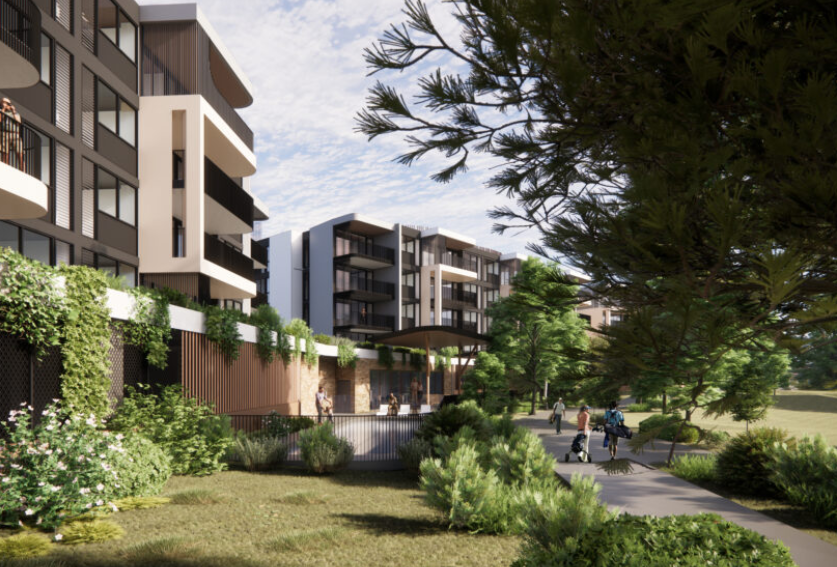
Designed by Marchese Partners | Life 3A, the community includes landscaped outdoor areas, a pool, gym, library, wine room and billiards room, all set within the grounds of the golf course.

Photo Credit: Aura Holdings

Shared facilities and communal areas are designed to be used naturally rather than programmed heavily. They offer a place to gather, linger or pass through, depending on the day. Connection is available, not compulsory.

The Role of Golf Beyond the Game

Golf’s presence here is not incidental. Golf courses, by their nature, act as large, stable green buffers within suburban environments. They offer visual openness, reduced noise and opportunities for restoration that are increasingly recognised as important for mental health.

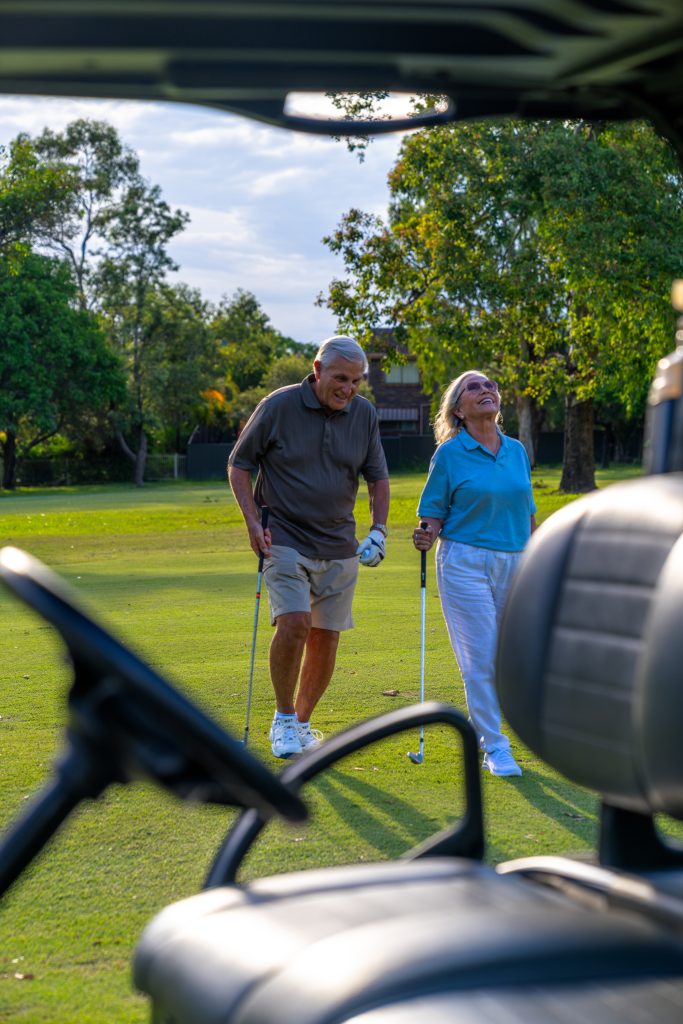
While not everyone plays, research increasingly points to golf environments as supportive of healthy ageing in broader ways. Studies examining golf participation among older adults have found that the activity often delivers moderate-intensity physical movement, particularly walking, alongside cardiovascular and musculoskeletal benefits. Even when played at a lower intensity, golf has been shown to produce short-term improvements in cardiovascular profiles among older participants.

Golf at The Evelyn
Photo Credit: Aura Holdings

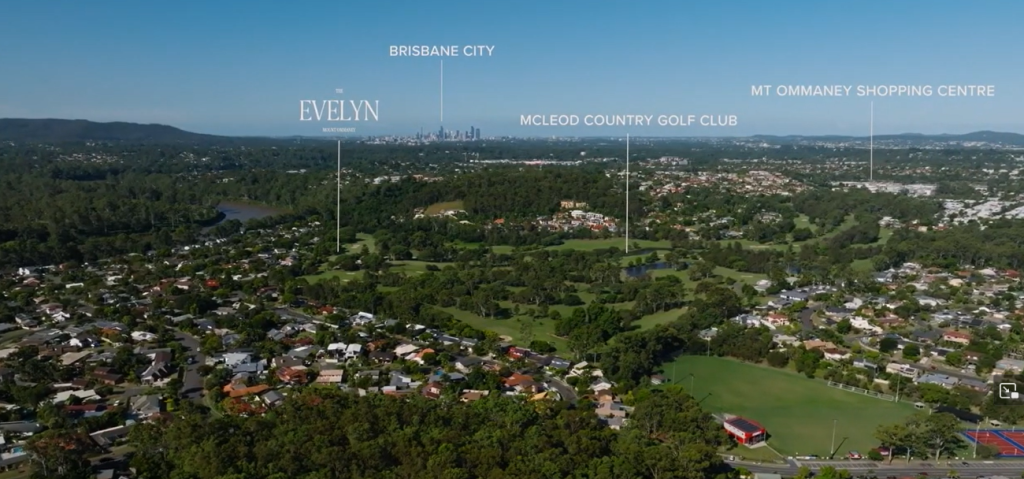
What matters just as much is the social and environmental context. Golf courses function as ready-made walking networks and social landscapes. People walk the fairways, meet others at the clubhouse, or simply move through open green space as part of daily routines. The Evelyn’s location within the McLeod Country Golf Club places residents adjacent to that ecosystem, whether they play the game or not.

The benefits of this setting extend beyond activity alone. A growing body of research, including Australian longitudinal studies, has linked exposure to green space with better mental health outcomes. More recent research focusing on mid-to-older adults has strengthened the evidence, showing associations between access to public green space and improved mental wellbeing over time.

The Evelyn’s proximity to the McLeod Country Golf Club taps into that reality, embedding the community within an active, established setting rather than isolating it from the surrounding suburb.

That everyday rhythm matters as people get older. Familiar places, regular movement and casual interaction are often what sustain wellbeing over time.

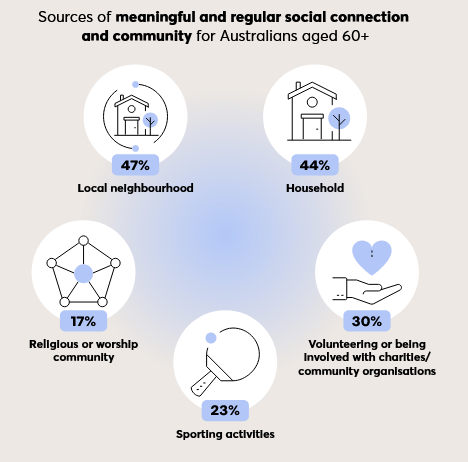
Infographic from Meaningful Aging Australia

McLeod Country Golf Club President Diane Lally said the partnership was about more than development. “The Evelyn represents more than a new retirement community — it represents the long-term sustainability of the McLeod Country Golf Club. This partnership allows us to strengthen our future, maintain a premier course, and continue to serve our members and the wider community.”

The Evelyn in Mt Ommaney

Housing That Supports How People Live

Research into retirement living models suggests that where and how people live can influence how active and socially engaged they remain. Communities designed around accessibility and shared space tend to support regular movement and interaction, while reducing some of the practical pressures of home ownership.

By reducing barriers to physical activity and
providing access to fitness and recreational facilities,
retirement communities help residents remain
approximately 15 per cent more frequently active
than those living independently in the community.
Residents are also 20 per cent less likely to be
hospitalised after entry.

Better Housing for Better Health (Retirement Living Council)

Mt Ommaney itself offers a balance many retirees value. Established parklands, river views and shopping centres sit alongside strong transport links to the Brisbane CBD. For long-term locals, staying close to familiar places often matters as much as changing how they live.

The Evelyn allows for that continuity. It offers an option to remain within the same neighbourhood while adapting housing to better suit changing needs. It is a shift in position rather than a change of course.

Who Is Behind The Evelyn?

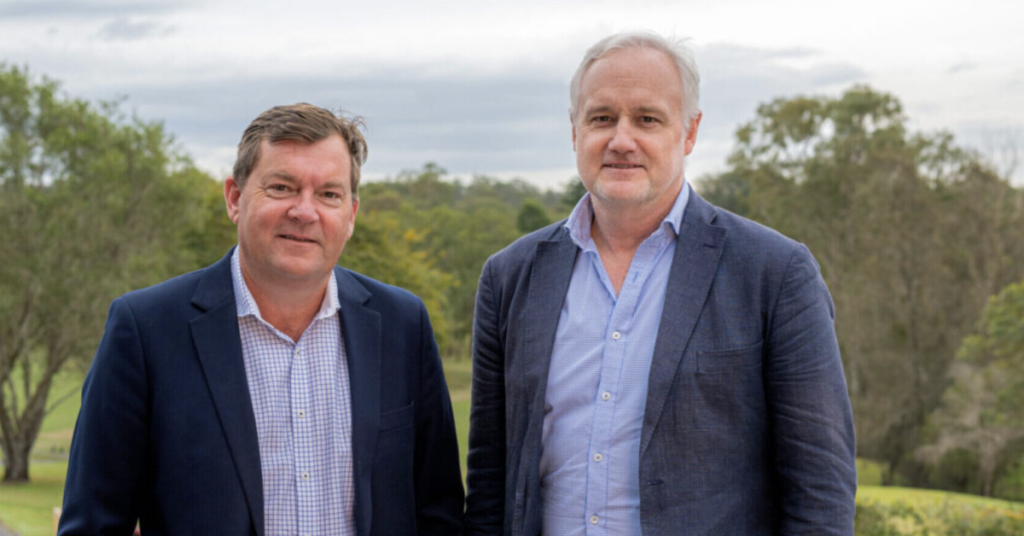
Tim Russell and Mark Taylor of Aura Holdings
Photo Credit: Aura Holdings

The Evelyn is owned and operated by Aura Holdings, a Brisbane-based retirement living company founded by Tim Russell and Mark Taylor. The company’s approach is informed by professional experience and personal perspective, with both founders having parents living in communities they operate.

The Evelyn will set the benchmark for retirement living in Brisbane, delivering modern apartments, strong community connections, and a premier golf club setting, unlike anything else in the Centenary suburbs,” Aura Holdings Chief Executive Officer Sean Graham said.

“We are pleased to see … the community’s confidence in both the project and Aura’s commitment to the ongoing partnership with the McLeod Country Golf Club,” he added.

Playing the Long Game

Not everyone will choose this path, and many Australians will continue to age in place. What is changing is the range of options available and the way people think about them.

Golf at The Evelyn
Photo Credit: Aura Holdings

The Evelyn reflects a broader shift in mindset. Life does not narrow as priorities change. It simply calls for a different approach. And sometimes, staying in the game means recognising when it is time to change clubs, not courses.

The Evelyn has emerged within that moment, amidst a gradual shift rather than a rush. People are not abandoning the course, they are choosing a different club to use.

Published 2-January-2026.

Aura Holdings is a proud Promotional Partner of Brisbane Suburbs Online News.


Hardship Assistance Opens for Bardon After November Hailstorms

Income-tested hardship support has been made available to uninsured residents in Bardon after the severe hailstorms that impacted Brisbane suburbs in late November.


Storm Impact and Activation of Assistance

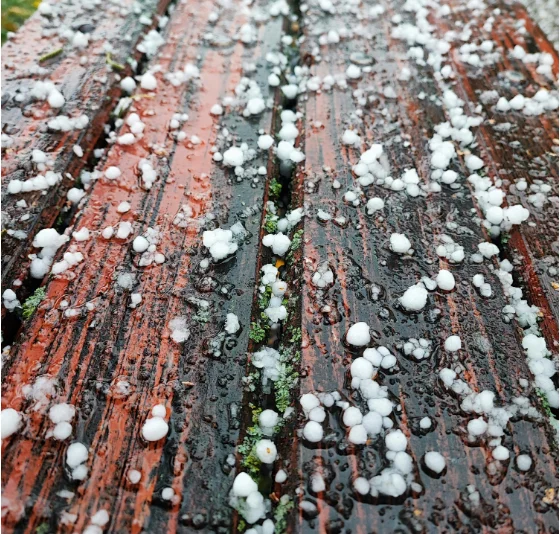
Severe storms on 24 and 25 November 2025 caused significant damage across south-east Queensland. In response, targeted Personal Hardship Assistance has been activated for defined parts of the Brisbane City area, including Bardon.

The measures fall under disaster recovery arrangements supporting households affected by property damage and storm-related power outages.

Brisbane storms
Photo Credit: Pexels

Financial Support Options for Bardon

Uninsured, income-tested residents in Bardon may access three types of assistance aimed at restoring essential living conditions.

Structural Assistance Grants

Up to $80,000 is available for eligible homeowners needing to repair or rebuild storm-damaged dwellings to return them to a safe and habitable standard.

Essential Household Contents Grants

Support includes up to $1,765 for individuals or up to $5,300 for couples or families to replace essential items lost or damaged.

Bardon hailstorm assistance
Photo Credit: Pexels

Essential Services Safety and Reconnection Scheme

Up to $5,000 per household is available to reconnect essential services such as electricity, water, gas or sewerage where damage occurred.

These measures apply to 15 Brisbane suburbs: Ashgrove, Bardon, Boondall, Ferny Grove, Gumdale, Keperra, Lota, Manly, Manly West, Mount Crosby, Ransome, The Gap, Wakerley, Wynnum and Wynnum West.

Eligibility and Application Requirements

Residents must be uninsured, meet income criteria and have experienced property damage from the November hailstorms or subsequent outages. Applications require identification, bank details and a valid email address. Alternative identification options are available through the Community Recovery Hotline.


Personal Hardship Assistance is currently active across eight local government areas, with 10 councils receiving disaster recovery support. Further information is available through the disaster recovery website or via the 24/7 hotline (1800 173 349).

Published 11-Dec-2025

Former Village Bardon Site Sold and Leased in Bardon

A commercial asset on MacGregor Terrace in Bardon has been sold to two local owners, with refurbishment and a new anchor tenant set to bring activity back to the long-idle site.


Combined MacGregor Terrace Asset Sold

The property at 63–65 MacGregor Terrace, Bardon, previously known as The Village Bardon, has changed hands for $12.875 million. The asset was sold as vacant possession to two local owners, with Blue Commercial brokering both the off-market sale and the leasing to an incoming tenant.

According to Blue Commercial and sale reports, the vacant commercial asset will be refurbished following the transaction. The site provides 32 car parks and sits at the highest point of MacGregor Terrace.

Bardon commercial property
Photo Credit: Blue Commercial

Background on 63 MacGregor Terrace

Separate property data for 63 Macgregor Terrace list the land size as 2,291 m², with a recorded sale in July 2025 for $9.35 million. Those records describe the holding as a house with one bathroom and no parking, while other sales and leasing material refer to the broader 63–65 MacGregor Terrace site as a commercial asset.

The property had been awaiting development approval and, due to unforeseen delays, had remained on hold and was starting to show signs of wear before the recent sale.

Former Village Bardon Uses and Leasing Campaign

Historically, the MacGregor Terrace site operated as a local retail hub under The Village Bardon branding. It supported a mix of retail, showroom, medical, dining and other commercial spaces, attracting a range of tenants.

Leasing material for 65 MacGregor Terrace marketed multiple tenancy sizes between 80 m² and 250 m², with options suitable for medical, office, retail and hospitality users. The campaign highlighted alfresco dining potential, undercover parking and a 25-metre street frontage. The building is opposite Bardon Central Shopping Centre and is serviced by bus stops directly in front of and across from the property, including high-frequency routes.

Blue Commercial
Photo Credit: Blue Commercial

Role of Blue Commercial and Incoming Tenant

Blue Commercial has been closely involved in the redesign and pre-leasing of the proposed redevelopment at 63–65 MacGregor Terrace. The agency has secured and agreed terms with an incoming tenant intended to anchor the refreshed site and restore regular activity to the property.

The firm has also reported interest from owner-occupiers, developers and tenants who missed out on this particular transaction and are seeking similar opportunities in the area.

Bardon Location and Outlook

Bardon is located about five kilometres west of Brisbane’s CBD and is regarded as one of the city’s more sought-after suburbs.


Agents involved in the sale describe the MacGregor Terrace property as well-placed in a high-traffic area connecting Paddington and Ashgrove, offering strong exposure for future retail, medical and commercial occupants.

Published 6-Dec-2025

Rainworth Scores Reflect Broader NAPLAN Patterns Across Australia

Rainworth State School’s Year 5 NAPLAN results form part of the wider national picture in 2025, placing Rainworth within ongoing discussions about literacy and numeracy performance.


Rainworth Year 5 NAPLAN Results

Rainworth State School recorded Year 5 scores of 537 in reading, 537 in writing, 524 in spelling, 566 in grammar and 541 in numeracy. The cohort’s average score was 541, placing the school twenty-fifth.

The school operates as a government primary school offering Prep to Year 6. It had 590 enrolments, with 286 boys and 304 girls. Its ICSEA value is 1206, placing it in the ninety-ninth percentile, and eighteen per cent of students come from a language background other than English.

Rainworth State School
Photo Credit: Rainworth State School

National NAPLAN Trends

Australia’s national NAPLAN results released on 30 July 2025 showed that one-third of students were not meeting literacy and numeracy expectations. Around ten per cent of students were categorised as needing additional support, while about one-fifth were working towards expectations.

National results showed that 68.2 per cent of students achieved strong or exceeding levels in reading, 66.8 per cent in numeracy and 66.6 per cent in writing. Data also highlighted ongoing gaps affecting students in remote areas, Indigenous students and students facing disadvantage.

Queensland Participation in NAPLAN

Queensland recorded its highest NAPLAN participation rate since 2019, reaching 89.7 per cent in 2025. Participation increased despite disruptions from extreme weather during Term 1.

Statewide readiness programs introduced at the start of 2025 contributed to higher participation, with around 1,800 more students completing the assessment than in 2024. Across Queensland, more than sixty per cent of participating students achieved strong or exceeding results in reading and numeracy.

NAPLAN results
Photo Credit: Rainworth State School

Discussion Around NAPLAN

Some academics expressed concern about the pressure associated with NAPLAN reporting, noting its effect on teacher morale. Others highlighted that the assessment focuses solely on literacy and numeracy and does not reflect broader subjects such as creative arts, history, science or physical education.

School-by-school breakdowns of results are expected to be released in December 2025.

Outlook


Rainworth State School’s Year 5 performance sits within Australia’s broader NAPLAN landscape, reflecting national trends in achievement and participation. More detailed reporting is expected later in the year.

Published 4-Dec-2025

Get To Know Sir Augustus Charles Gregory, The Man Who Built Rainworth House

Built in 1862, Rainworth House is known as one of the few surviving original timber houses in Bardon. Get to know the life of Sir Augustus Charles Gregory, the man behind this historic home. 


Read: Discover the Rich History of Rainworth House in Bardon


Augustus Charles Gregory was born on 1 August 1819 in Farnsfield, a large village in Nottingham, England. He was only 10 years old when his family moved to Western Australia on board a ship called the Lotus.

Sir Augustus Charles Gregory
Sir Augustus Gregory (Photo credit: John Oxley Library, State Library of Queensland. Negative number: 16036)

Queensland’s First Surveyor-General

He became the first Surveyor-General of Queensland, a position he held for 16 years, from 1859 to 1875. The position was originally created for Queensland, when it became a separate colony in 1859.

As the Surveyor-General, he was responsible for controlling and regulating the survey, sale, occupation and management of Crown Lands in Queensland.

Trained under John Roe, Sir Gregory showed great aptitude, bushmanship and an ability to manage men, qualities that aptly fitted him to the position of expedition leader.

Sir Gregory was described as someone who worked with speed and efficiency, and an ability “to institute and oversee a large, complicated and important Government department.” 

The position was abolished in 1993, with Neil Graham Divett having served only three years of his term.

Explorer

Sir Augustus Charles Gregory
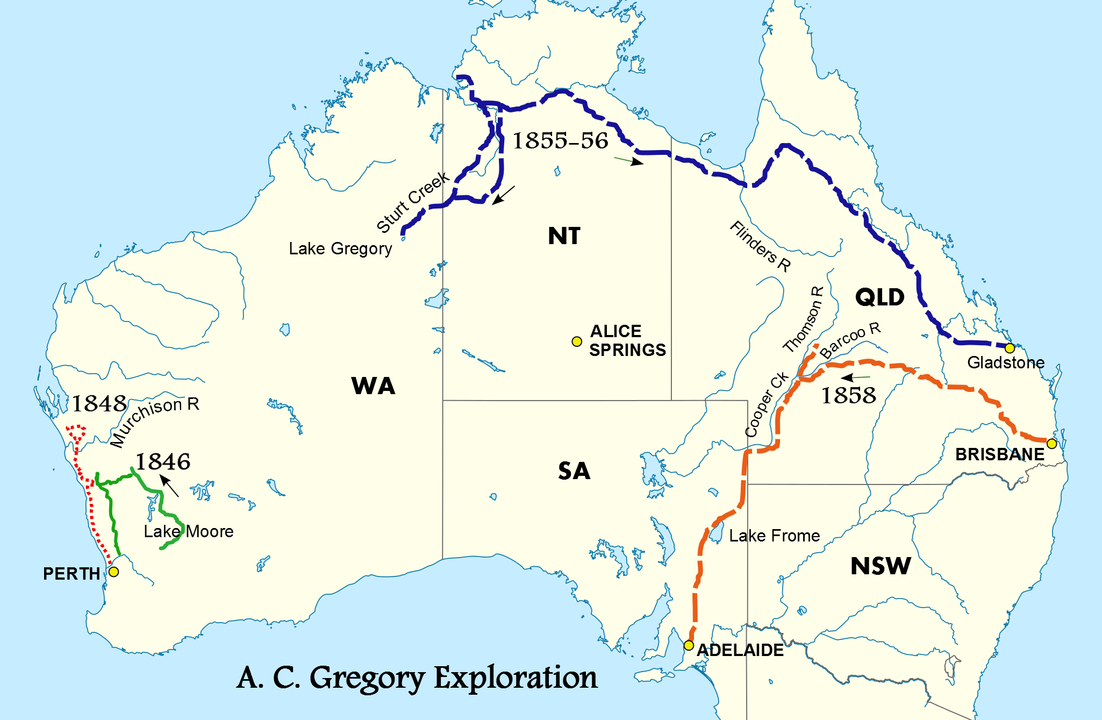
Sir Gregory’s Australian exploration routes (Photo credit: CC BY-SA 3.0/Summerdrought/Wikimedia Commons, Adapted from Australian Geographic map 1995)

Besides being a Surveyor-General, Sir Gregory was also known for being one of Australia’s greatest explorers. He undertook major expeditions from 1846 to 1858. 

During his first exploration in 1846, he was joined by his brothers, Francis Thomas Gregory and Henry Churcham Gregory. They explored a considerable amount of the country, with four horses and seven weeks’ provision.

In 1855, the Royal Geographical Society in London sponsored Sir Gregory’s North Australian Expedition. The purpose of the said expedition, which lasted for over a year, was to examine the natural resources of the region with a view to potential settlement. 

His last major expedition happened in 1858, when he led an expedition for the New South Wales government in search of German explorer Ludwig Leichhardt.

Rainworth House

Sir Augustus Charles Gregory
Rainworth in 2009 (Photo credit: Heritage Branch staff)

Sir Augustus Charles Gregory himself built the house in 1862. At the time, Rainworth House was the only farmhouse in the area. The name Rainworth was taken from a small town in Nottinghamshire which is close to his birthplace at Farnsfield.

He died unmarried in his home 25 June 1905 at the age of 85. His resting place can be found at the Toowong Cemetery.


Read: Bardon’s Blast From the Past: A Walk Down Memory Lane Through Heritage Homes


Today, there’s a few places in Brisbane that honour Sir Gregory, including Milton’s Gregory Park and Toowong’s Gregory Street. In Western Australia, the coast to the west of Northampton was also named Port Gregory, after him, as well as Lake Gregory, the freshwater lake near the northern Great Sandy Desert. 

Updated 30-November-2025

5 Interesting Details You Might Not Know About Rosalie

Rosalie covers the short boundaries of Fernberg Road, Haig Road, and Thomas Street and is widely regarded as one of the smallest suburbs in Brisbane. Here are five interesting details to know about this neighbourhood.


1. Rosalie is dubbed “Brisbane’s forgotten daughter.”

Following its downgrade from a suburb to a locality in Paddington in the 1970s, the locality’s name has been erased from the Post Office, the buses, and public or commercial buildings. Even the locals who live on the boundaries of Rosalie via Paddington, Milton or Rainworth chose the name of the suburb they wished to live in.

2. Rosalie’s name has two origins. 

First, it was believed that Rosalie was named after a terminus by pastoralist and politician John Frederick McDougall, who bought land in the area in 1864. Mr McDougall also owned Rosalie Plains in Darling Downs.

John Frederick McDougall of Rosalie
Photo Credit: Wikimedia Commons

However, another version also cites that the name came from one of the local transportation servicing Oxford Estate when it was common for vehicles to bear girls’ names. But just who is Rosalie? That remains a big mystery.

3. Milton State School was formerly known as the Rosalie State School. 

Around the 1880s, Rosalie’s population grew and it was clear that a local school was needed. The government identified a site along Bayswater Road to build a single-storey structure with one classroom. In 1889, Rosalie school welcomed over 160 pupils and Alfred Wall was its first headmaster, who served for nearly three decades. Rosalie School’s name was changed to Milton School after two years.

In 1911, the Creche and Kindergarten Association of Queensland established the Rosalie Kindergarten on Elizabeth Street. Through the suburb’s changes and downgrade, enrolments did decline but the kindergarten has thrived and continues to operate as the C&K Rosalie Community Kindergarten and Preschool.

4. There used to be a Rosalie Police Station.

The police station was located on the corner of Boys Street and Fernberg Road. It was established in 1886 with Constable Thomas Macdonald as the first Officer-In-Charge. The station’s structure was demolished in 1911 and was replaced with a new building a year later. However, in 1964, its operations was shut down with the realignment and redistribution of police functions. The building eventually became a private residence.

5. Albert Hall on Baroona Road was Rosalie’s centre of social activities.

Albert Hall was Rosalie’s earliest social centres until the construction and opening of the School of Arts Committee around the corner of Baroona Road and Nash Street in the late 1920s. Today, these combined properties are now known as the Rosalie Village, the neighbourbood shopping and dining centre.


Updated 25-November-2025