





The Adelaide Street bus tunnel is set to open on 29 September 2025, marking a new chapter in Brisbane’s public transport network. For Bardon residents, the project may help improve reliability on their citybound trips by easing congestion in the CBD.
Read: Bardon’s Route 375 Split As Part Of Brisbane’s Biggest Bus Overhaul
The 213-metre tunnel runs beneath Adelaide Street, linking North Quay with King George Square busway station. It forms part of the Brisbane Metro project and is designed to reduce pressure on one of the city’s busiest stretches by redirecting bus and metro services underground.
Reducing the Bottleneck
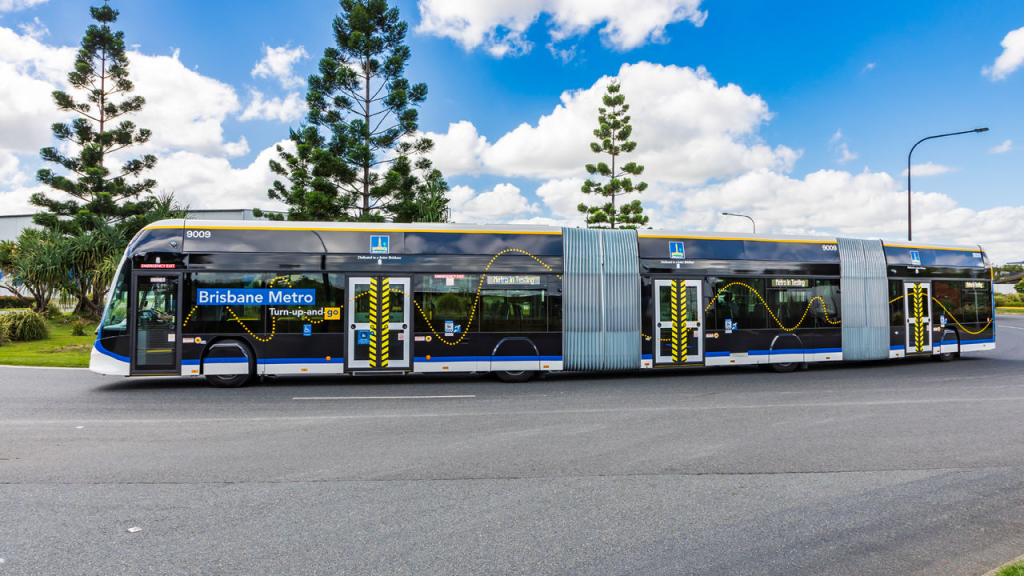
At peak hours, Adelaide Street is often gridlocked, with buses caught in slow-moving traffic. The tunnel is expected to ease this bottleneck by removing hundreds of buses from the surface each day. More than 1,200 services are planned to travel through the tunnel daily, reducing congestion and improving connections across the CBD.
This represents a major change in how buses move through the city centre. By separating buses and metro vehicles from general traffic, the new route is designed to deliver more reliable travel times across multiple corridors.
Suburbs That Stand to Gain
The direct beneficiaries are suburbs whose bus routes connect into the Inner Northern and South East busways. Passengers from the south and east will see smoother run-throughs into the CBD as Metro 1 and Metro 2 feeder services take advantage of the new link.
Western suburbs such as Bardon may also see indirect benefits. By diverting large numbers of buses away from surface streets, the tunnel is expected to reduce congestion in the CBD for all services. Buses from Bardon arriving at the edge of the city may therefore face fewer delays and more consistent journey times.
What It Means for Bardon

Bardon, nestled in the foothills of Mt Coot-tha, is known for its leafy streets and village feel, but commuting into the city can be a challenge. Many residents rely on bus services that travel via Milton Road or Given Terrace before heading into the CBD.
While Bardon buses will not travel through the Adelaide Street tunnel itself, they connect to a CBD network expected to become more efficient. Less surface congestion in the city may help reduce the slowdowns Bardon services face when entering the CBD.
Looking Ahead
Bardon still depends on surface roads to reach the inner city, and any bottlenecks before Milton or Paddington cannot be addressed by the tunnel alone. Even so, the project is seen as a key investment in strengthening Brisbane’s transport network at a time of continued population growth.
Read: The Streets of Bardon: How Time Reshaped Local Thoroughfares
For Bardon locals, the Adelaide Street tunnel shows how major projects in the heart of the CBD can deliver wider benefits, potentially making commutes more reliable for surrounding suburbs too.
Published 25-September-2025


